


Many countries outlawed slavery in the 19th century, but you quickly see that abolition didn’t happen in one clean moment, it dragged on across continents and centuries, shaping your modern world in ways you still feel today. When you trace dates from Britain’s 1833 Slavery Abolition Act to the U.S. in 1865 and beyond, you’re not just memorizing timelines, you’re exploring how laws, economies, and human lives collided. If you want a deeper investigate the global picture, check out CHRONOLOGY-Who banned slavery when? for a wider sweep of key abolition milestones.
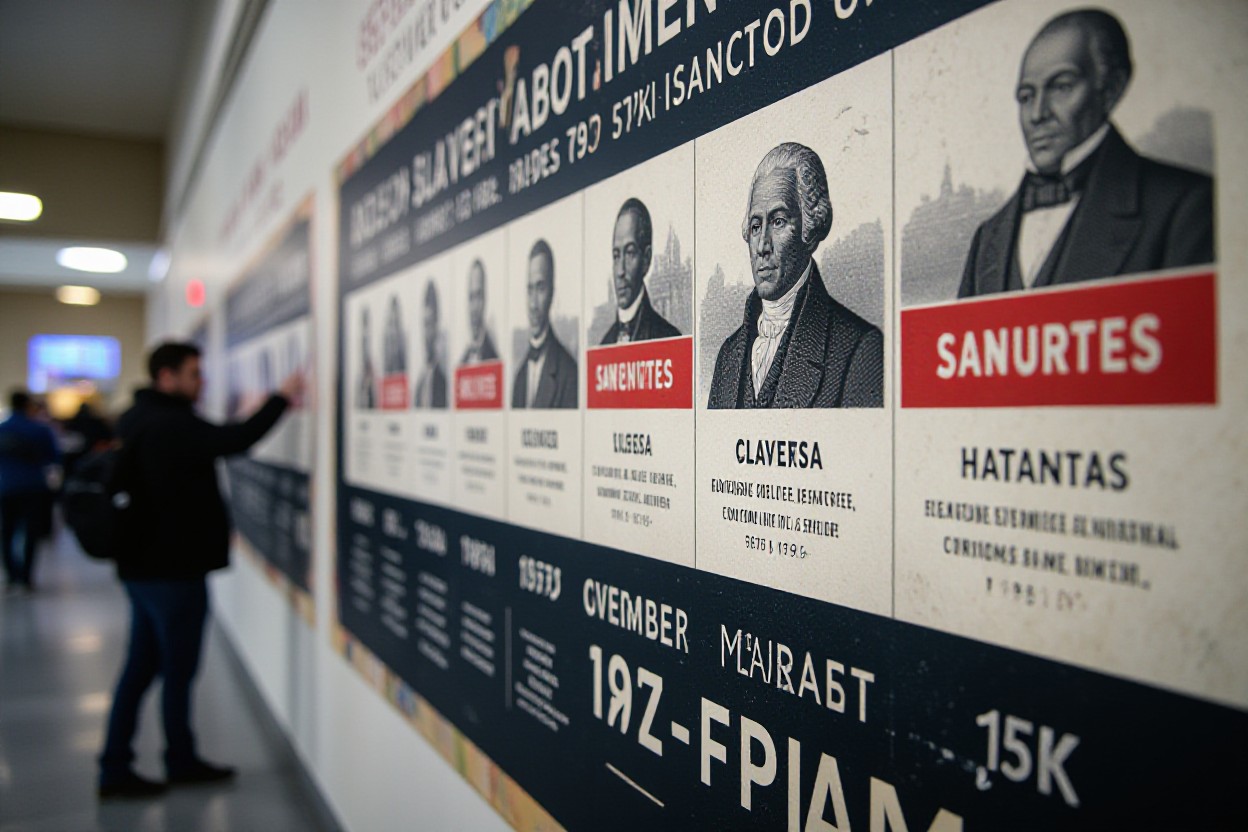
What’s the Deal with Slavery’s End?
By the late 1800s, you had this strange split: legal freedom on paper, violent backlash in practice. You see slavery ending in law in places like the U.S. in 1865, Brazil in 1888, but people didn’t suddenly walk into safe, paid, respected lives. Instead, you get sharecropping, vagrancy laws, forced labor contracts, and straight-up terror used to keep freed people “in their place”, so you have to treat abolition as a starting line, not the finish.
The American Abolitionist Movement
By the 1830s, you had thousands of Americans signing onto abolitionist petitions every year, and that number keeps climbing right into the 1850s. You see people like Frederick Douglass, Sojourner Truth, and William Lloyd Garrison tearing into slavery in speeches, newspapers, and church meetings, while Black organizers built their own networks, conventions, and self-defense strategies. And you weren’t just dealing with talk – abolitionists ran the Underground Railroad, disrupted slave catchers, and forced Congress to debate slavery long before politicians wanted that smoke.
Key Laws and Acts That Changed Everything
By 1807, Britain passed the Abolition of the Slave Trade Act, and within a few decades you see a wave of laws smashing the legal framework of slavery across empires. In the U.S., you get the Emancipation Proclamation in 1863, followed by the 13th Amendment in 1865, then the 14th and 15th trying to lock in rights for formerly enslaved people. And globally, acts like the Slavery Abolition Act of 1833 in the British Empire or Brazil’s Lei Áurea in 1888 show you how governments slowly, painfully, turned slave systems into something they could no longer defend on paper.
When you zoom in on these laws, you start seeing how specific and technical they get, and why that matters so much for you if you’re trying to really understand power. The British 1807 act didn’t free a single enslaved person, it only banned the transatlantic trade, which meant plantation owners kept enslaved people but couldn’t legally import new ones, so they doubled down on forced breeding and longer working lives. Then the 1833 Slavery Abolition Act paid about 20 million pounds to slave owners, while freed people got zero compensation, and that number was so huge the UK only finished paying off that debt in 2015-yeah, you read that right.
In the U.S., the 13th Amendment technically ended slavery “except as a punishment for crime”, and that little clause opened the door for convict leasing, mass arrests, and forced labor that you still see echoes of in modern prison systems. The 14th Amendment supposedly guaranteed equal protection, but courts narrowed it again and again, protecting corporations more reliably than Black communities, while the 15th said you couldn’t deny voting rights “on account of race” but didn’t stop poll taxes or literacy tests. So when you track these acts, you realize something big:
the law kept ending slavery in name while leaving legal side doors open for exploitation.
Did You Know About Other Countries?
Once you step outside your own national story, you see just how uneven and messy the end of slavery really was. Some countries moved early, others dragged their feet for decades, and in a few places, exploitation simply changed its name instead of disappearing. When you compare timelines side by side, you spot patterns of resistance, economic pressure, and everyday people pushing back against systems that were supposed to last forever.
Abolishing Slavery in the British Empire
When you trace the British Empire’s path, you hit 1833 as a big turning point, with the Slavery Abolition Act technically freeing around 800,000 enslaved people across the Caribbean, South Africa, and Canada. But you quickly see the catch: enslavers got £20 million in compensation, while formerly enslaved people were forced into “apprenticeship” until 1838, working for low or no pay. If you follow the money and the timelines, you realize abolition didn’t instantly create freedom, it kicked off a long, uneven fight for land, wages, and political power.
France’s Journey to Freedom
When you follow France’s story, you’re dealing with a really tangled path: abolition in 1794 during the Revolution, re-enslavement in 1802 under Napoleon, then a final abolition law in 1848 that freed around 250,000 people in colonies like Martinique, Guadeloupe, and Réunion. You also watch the Haitian Revolution (1791-1804) flip the script entirely, with formerly enslaved people forcing France to accept the first Black republic. The wild part is how long the economic fallout lasted – Haiti was saddled with a massive “independence debt” to France that haunted its economy for more than a century.
What really hits you about France’s journey is how often freedom was granted, taken back, then fought for again, especially in the Caribbean. In 1794, the Convention abolished slavery partly because uprisings in places like Saint-Domingue (future Haiti) made it nearly impossible to keep the old system running, so abolition wasn’t just some moral awakening. When Napoleon reintroduced slavery in 1802, you see how plantation profits and colonial prestige still outweighed human lives for the French state, and that backlash helped fuel Haiti’s final break by 1804, which freaked out slaveholding societies across the Americas.
By the time you reach 1848, you’re watching a different political climate: the Second Republic, activist pressure from people like Victor Schœlcher, and growing unease with how ugly slavery looked in an age that claimed to value liberty. The 1848 decree didn’t just free people, it promised political rights and theoretically made formerly enslaved people full French citizens, yet in practice racism and economic control stuck around through sharecropping, labor contracts, and limited access to power. If you zoom into local stories in Guadeloupe or Martinique, you’ll see strikes, peasant land struggles, and cultural resistance that kept pushing against that supposedly “finished” abolition long into the 20th century.
Why Did It Take So Long?
Scrolling through social feeds where people casually share abolition timelines can make it feel like the end of slavery was inevitable, but in your great-grandparents’ world it was anything but. Laws, profits, fear of social collapse and flat-out racism created a sticky web that kept systems of bondage in place long after people knew it was wrong. You had elites who talked about liberty while defending forced labor at the same time. Recognizing how long that hypocrisy held power helps you see why injustice can still drag on today.
The Economic Factors at Play
In a lot of comment threads today, you see people shocked that entire empires were basically spreadsheets built on slave labor. Plantation profits in places like the Caribbean could hit returns of 10-20% a year, and port cities in Britain, France, the US made fortunes shipping sugar, cotton, and coffee. Politicians openly panicked that ending slavery would tank trade, crush tax revenue, and wreck investors. Recognizing how money shaped the timeline helps you question any system your economy tells you is “too valuable” to change.
- Plantation profits funding banks and merchants
- Global trade routes tied to slave-produced goods
- Tax income governments feared losing
- Investor pressure blocking abolition laws
The Role of Religion and Morality
In a weird twist that you still see in online debates, religion cut both ways: some preachers blessed slave ships, others risked their lives to denounce them. Priests in Brazil, ministers in the US South and colonial chaplains in Africa cherry-picked verses to claim slavery was God’s order, while Quakers in the 1700s and Black churches in the 1800s built networks that fueled abolition movements. Recognizing how faith got weaponized either to excuse or to fight exploitation helps you read modern moral arguments with sharper eyes.
On a deeper level, you can see how your entire moral landscape was reshaped by this fight. Early on, church leaders in places like Cuba, Louisiana and Bahia baptized enslaved people but still called them property, which tells you how elastic that moral logic really was when profits were on the line. Over time, abolitionists used sermons, hymns, pamphlets and even mass prayer meetings to hammer home that human equality wasn’t just a political slogan but a religious claim that cut right into daily life.
You had enslaved preachers in the US, for instance, quietly flipping Bible stories to center liberation, and that scared slaveholders so much they passed laws against Black religious gatherings at night. In Britain, evangelical campaigns in the 1780s flooded parliament with petitions signed after fiery sermons that called the slave trade a national sin, and that steady drip of moral pressure eventually moved votes. Recognizing how contested, messy and loud those moral battles were helps you see that “public conscience” isn’t abstract at all, it’s something people like you build or ignore every single day.
My Take on the Impact of Abolition
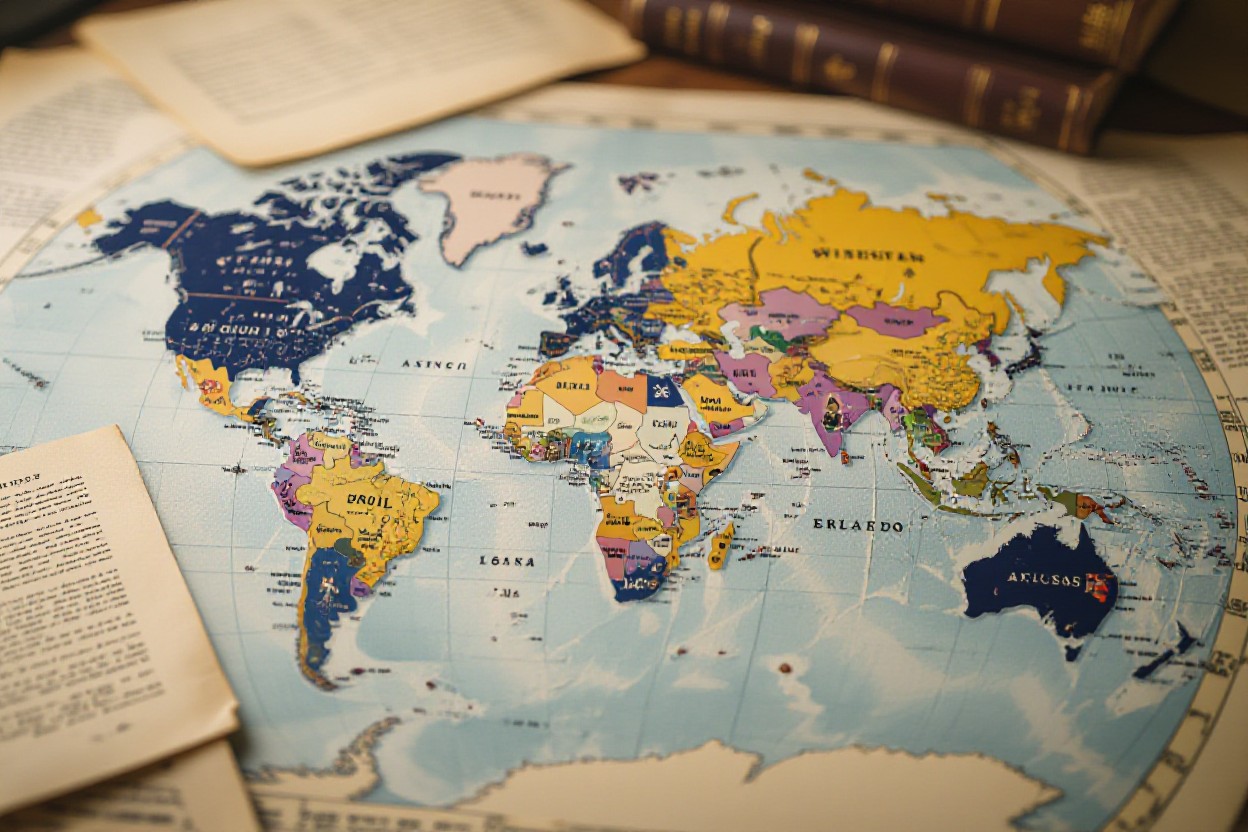
Seeing TikTok threads about “generational wealth challenges” really hits you when you know slavery legally ended in places like Brazil only in 1888 and in Saudi Arabia in 1962, because abolition didn’t just free people, it radically reset who could own land, learn to read, and vote. Your great-grandparents might’ve been legally barred from property while others stacked assets for a century, so the impact of abolition isn’t just moral, it’s baked into your family’s bank balance, neighborhood, and passport today.
Social Changes That Followed
Right after emancipation, you see spikes in Black-owned newspapers in the US, ex-slaves in Jamaica buying small plots, and formerly enslaved people in Cuba negotiating wages for the first time, which sounds hopeful until you notice how fast elites reacted with vagrancy laws, sharecropping, and color bars in unions. You might get legal freedom on paper, but social mobility moves painfully slow, and the old power holders rarely walk away quietly.
Ongoing Struggles for Equality
When you compare the timeline, it’s wild that the US ended slavery in 1865, yet by 1965 you still needed the Voting Rights Act just to protect Black voters from literacy tests, poll taxes, and violence, and if you scroll your feed today you’ll still see police stop-and-search rates skewed heavily against racial minorities in places like the UK, France, and Brazil. Abolition killed a legal category, but it didn’t magically erase hierarchies built over centuries.
Because you’re living with the aftershocks, you can spot how former slave societies tend to have higher wealth gaps and harsher policing of racialized groups, like Brazil where Afro-Brazilians are about 56% of the population yet hold a tiny fraction of elite positions, or the US where the Black-white wealth gap sits around 8 to 10 times. And it’s not just about money, it’s about who gets over-policed, who gets underfunded schools, who gets depicted as dangerous in media, so if you care about “post-slavery” justice you have to track stuff like reparations debates in the Caribbean, land-back movements in places like South Africa, and legal fights over citizenship for descendants of enslaved people in places such as Mauritania or the Dominican Republic, because those battles tell you abolition was a starting line, not a finish tape.
The Real Deal About Reconstruction
Roughly 4 million people walked out of slavery by 1865, and you might think freedom solved everything overnight, but your reality was way messier than that. You had new rights on paper, sure, yet white elites quickly pushed back with Black Codes, violent mobs, and economic traps like sharecropping. So when you look at Reconstruction, you’re really seeing a tug-of-war over your labor, your vote, your land, and your safety, with the federal government stepping in, then slowly backing away while white supremacists filled that vacuum.
What Happened Right After Abolition
In 1865, the Freedmen’s Bureau opened thousands of field offices to help you find family, negotiate wages, and set up schools, yet at the same time ex-Confederates passed Black Codes that could jail you just for being “vagrant”. You suddenly had marriages recognized, kids in classrooms, and churches you actually controlled, while sheriffs, planters, and ex-soldiers tried to shove you back into unpaid or underpaid labor. So your first years of freedom were this wild mix of hope, chaos, and very real danger.
The Long Road to True Freedom
By 1870, about 2,000 Black men had held public office across the South, from local sheriffs to U.S. senators, yet your voting rights were already under attack with violence and fraud. You got the 14th and 15th Amendments, which sounds great on paper, but groups like the Ku Klux Klan used terror to keep you away from the polls and the land you were promised rarely showed up. So legally you were free, practically you were still fighting every single day for safety, pay, dignity, and a real voice.
Across Mississippi, Louisiana, and South Carolina, you could see Black-majority legislatures passing laws for public schools and civil rights while at the same time white paramilitary groups like the Red Shirts literally marched with guns to overturn elections. You had federal Enforcement Acts in the early 1870s trying to crush Klan violence, yet local juries refused to convict, judges looked the other way, and presidents got tired of sending troops. And when the Compromise of 1877 pulled the last federal soldiers out of the South, your legal gains were basically left unprotected, which opened the door to Jim Crow segregation, poll taxes, literacy tests, and lynching as everyday tools of control. So the “long road” isn’t a cute metaphor here, it’s you moving from slavery to Reconstruction to a century of legal discrimination before you even get to the mid-1960s.
Looking Back: Major Milestones You Should Know
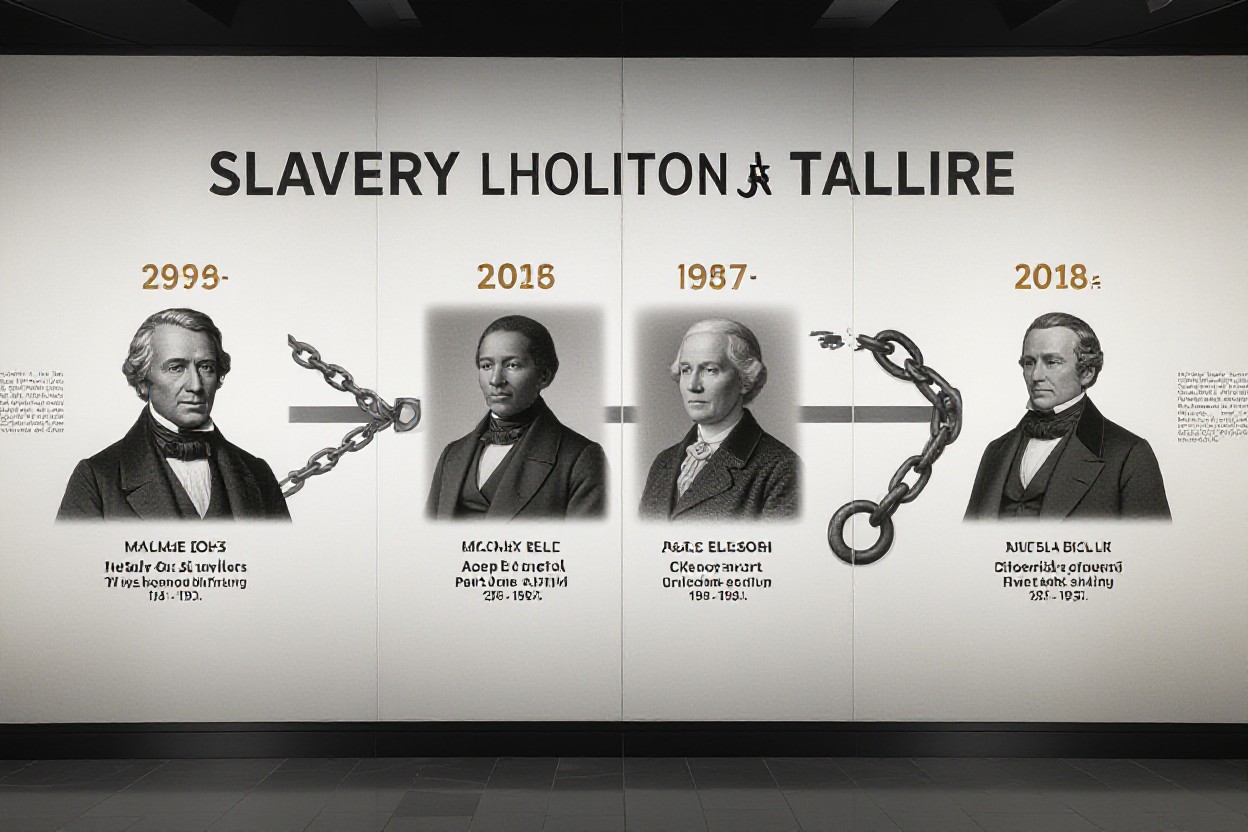
By 1888, when Brazil finally abolished slavery, you already had over a century of abolition laws stacking up across the Atlantic world, and your brain might start to see a pattern. You spot 1772 (Somerset case in Britain), 1807 (British slave trade ban), 1865 (13th Amendment in the U.S.), 1834 (British Emancipation) and realize freedom rolled out in waves, not in one magical moment. So when you zoom out, you start tracking how power, profit, and resistance collided to make those dates stick – or in some places, quietly stall.
Timeline of Key Historical Dates
In 1807, Britain outlawed the transatlantic slave trade, then in 1833 passed the Slavery Abolition Act, while in the U.S. you get 1863 for the Emancipation Proclamation and 1865 for the 13th Amendment. France flips back and forth, abolishing slavery in 1794, restoring it in 1802, then finally banning it again in 1848. And by 1888, Brazil signs the Lei Áurea, the Golden Law, making it the last major slaveholding state in the Americas to legally end slavery.
Iconic Figures in the Fight for Freedom
In 1831, Nat Turner led a rebellion in Virginia that terrified slaveholders and reshaped your whole understanding of resistance, while people like Frederick Douglass, Harriet Tubman, and Sojourner Truth turned their own survival stories into political firepower. Then you see Olaudah Equiano publishing his narrative in 1789, Toussaint Louverture helping drive the Haitian Revolution, and later W. E. B. Du Bois framing the Civil War as a general strike of the enslaved. So you’re not just memorizing names, you’re tracing how each one bent the timeline a little closer to freedom.
Frederick Douglass, for example, escapes slavery in 1838, then spends decades hammering Congress, British audiences, and newspaper readers with the raw receipts of what slavery really looked like, and you feel how his words undercut every pro-slavery argument on the table. Harriet Tubman runs roughly 13 rescue missions on the Underground Railroad and helps free around 70 people directly, while also guiding raids like the Combahee River Raid in 1863 that liberated more than 700 enslaved people in a single night. And when you add in Sojourner Truth challenging racist and sexist norms in that 1851 “Ain’t I a Woman?” speech, or Toussaint Louverture leading a revolution that forces France to abolish slavery in its Caribbean colonies, you see that abolition wasn’t some polite debate – your history is full of people who risked everything, broke laws, and refused to play nice so that later generations could even talk about freedom as a baseline expectation.
To wrap up
On the whole, you walk away from these dates not just with trivia, but with a timeline that actually shifts how you see modern freedom. You’ve seen how long it took different countries to end legal slavery, how uneven and messy it all was, and how those laws didn’t magically erase exploitation overnight.
If anything, your next step is to connect the past to what’s still happening now, and resources like Slavery in History help you do exactly that, so you can place your own views – and choices – inside the bigger story.
FAQ
Q: When was slavery first officially abolished in a major country?
A: A lot of people think abolition was a 20th century thing, but big legal changes actually started way earlier. The first major national ban that people usually point to is the 1794 French law that outlawed the slave trade, followed by France abolishing slavery in its colonies in 1794 during the Revolution (though it later got reinstated by Napoleon, which complicates the story).
Britain often gets mentioned because it banned the slave trade in 1807, then ended slavery across most of its empire in 1833, with full emancipation taking effect in 1838. Those British dates ended up shaping global pressure on other countries, especially because the Royal Navy started actively targeting illegal slave-trading ships.
Q: What are the key dates for the abolition of slavery in the United States?
A: People usually jump straight to 1865, but the legal trail starts earlier. In the U.S., different northern states began gradual abolition in the late 1700s, like Pennsylvania in 1780 and Massachusetts in the 1780s through court decisions that made slavery basically unenforceable.
Nationwide, the big turning point is the Emancipation Proclamation in 1863, which declared enslaved people in Confederate territory “forever free” (although it didn’t immediately free everyone in practice). The real legal finish line for chattel slavery came with the 13th Amendment in December 1865, which abolished slavery and involuntary servitude across the United States, except as punishment for a crime.
Q: When did major European empires abolish slavery in their colonies?
A: It helps to think of this as a staggered timeline rather than one big global flip of a switch. Britain passed the Slavery Abolition Act in 1833, putting a stop to slavery across most of its empire, with a so-called “apprenticeship” period that ended by 1838, opening the way to full freedom on paper.
France formally abolished slavery in 1794, brought it back in 1802, then abolished it again for good in 1848. The Dutch ended slavery in their colonies in 1863, but people in places like Suriname had to keep working under contract rules for years after, so the lived reality lagged pretty far behind the legal headlines.
Q: When did Latin American countries end slavery?
A: Folks sometimes lump Latin America together, but the dates are all over the map. Haiti stands out first: enslaved people there rose up and forced abolition, which became permanent when Haiti declared independence in 1804.
Most Spanish American republics abolished slavery gradually while or after they broke from Spain: Mexico in 1829, Chile in 1823, Argentina moving step by step from 1813 to full abolition in 1853, and so on. Brazil held on the longest, ending the transatlantic trade in 1850, freeing children born to enslaved mothers in 1871, and then finally abolishing slavery outright with the Golden Law in 1888.
Q: When did slavery end legally in Africa and the Middle East?
A: People often assume slavery in Africa only came from Europeans, but various forms of slavery and bonded labor existed long before Europeans showed up, and some of those systems lasted a lot longer than plantation slavery in the Americas. In many African regions, abolition came through pressure from colonial powers, treaties, and later independent governments, usually between the late 19th and mid 20th centuries.
In the Middle East and North Africa, different states moved at different paces: Tunisia banned slavery in 1846, the Ottoman Empire banned the slave trade in the late 1800s, and then abolition spread through successor states. Saudi Arabia officially abolished slavery in 1962, and Mauritania did so in 1981 (and made it a criminal offense only in 2007), which shows how recent some of these legal changes actually are.
Q: When did the world start treating slavery as illegal under international law?
A: It didn’t happen in a single dramatic moment, more like a long drip of treaties and conventions. After Britain and others banned the slave trade in the 19th century, there were anti-slave-trade treaties like the 1890 Brussels Act, which targeted the trafficking part more than the full institution of slavery itself.
The real international shift kicks in with the 1926 Slavery Convention under the League of Nations, which defined slavery as a legal status and called for its abolition worldwide. Later, the 1956 Supplementary Convention expanded that and targeted practices “similar to slavery,” like debt bondage and forced marriage, giving governments less wiggle room to pretend those systems were something else.
Q: If slavery was abolished, why do people talk about “modern slavery” today?
A: It sounds contradictory at first, because legally slavery is banned pretty much everywhere now. But when people say “modern slavery,” they’re talking about practices that trap people in situations they can’t realistically escape, even if the law says they’re technically “free.”
This can mean human trafficking, forced labor in factories or farms, debt bondage where a loan is used to control someone indefinitely, or forced marriage and domestic servitude. So while the key historical dates mark the end of legal chattel slavery in country after country, the broader fight against slavery-like exploitation is absolutely still going on, just under different labels and in different forms.


Leave a comment