

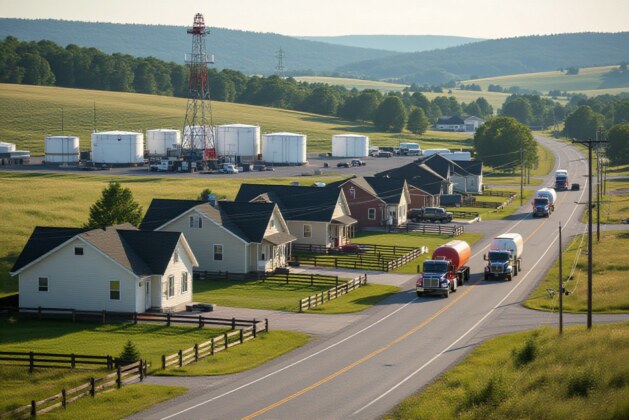
Fracking might sound like something far from your daily life, but it sits right behind your gas prices, your heating bill, and even the quality of water coming out of your tap. When you hear people argue about cheap energy versus environmental damage, this is what they’re really fighting about. You’re basically trading deeper access to oil and gas for potential water contamination, air pollution, and more climate stress… and that trade-off affects your wallet, your health, and your future, whether you like it or not.
So, What’s Fracking Anyway?
Have you ever wondered how you can blast open rock a mile underground using mostly water and sand? Fracking is basically that: high-pressure fluid injected into deep shale layers so you can crack the rock and release trapped oil and gas that old-school wells just couldn’t touch. As research on the Integrated effort needed to mitigate fracking while protecting … shows, you’re dealing with a technology that’s both energy-boosting and potentially environmentally risky at the same time.
The Basics of Hydraulic Fracturing
What actually gets pumped into those deep wells you keep hearing about? In simple terms, you’re looking at a mix that’s usually around 90% water, 9.5% sand and 0.5% chemicals, sent down at pressures that can top 10,000 psi. That force opens tiny fractures in shale, the sand props them open, and suddenly gas or oil can flow into the well that used to be basically sealed off to you.
A Peek at the Process
Ever tried to picture what’s really happening under your feet when a frack job kicks off? First you’ve got drilling that often goes 1-3 miles down, then turns horizontally for another mile or more, basically snaking through the rock layer. After steel casing and cement are set (ideally sealing off your groundwater), operators perforate sections of the pipe with shaped charges, then hit those zones with the high-pressure frack fluid that forces open new cracks so hydrocarbons can finally reach the surface.
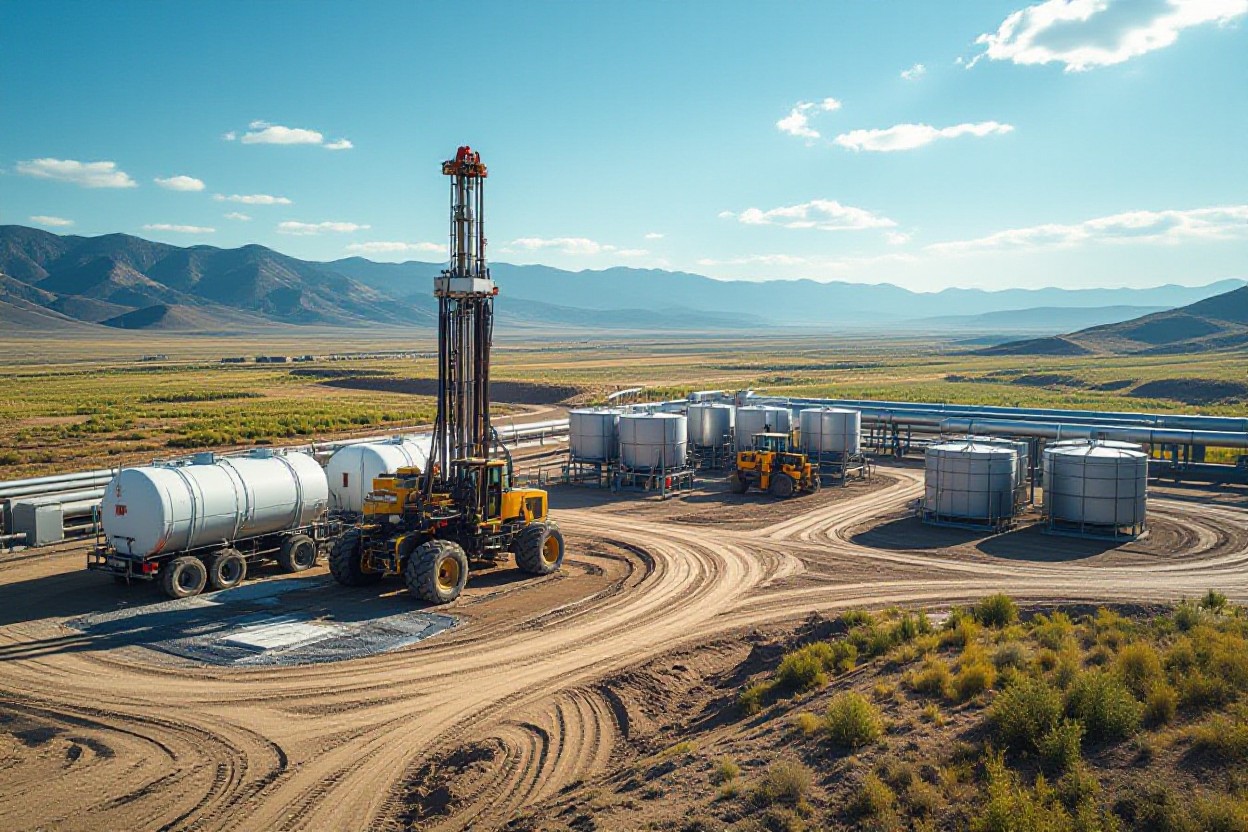
Think of it like a carefully staged underground production line, only you never see it. You’ll usually have 20 to 40 separate frack stages along one horizontal well, each one isolated by plugs so you can hit specific rock sections with the right pressure and fluid mix. On the surface there’s a whole circus of equipment – high-horsepower pump trucks, blender units, chemical tanks, flowback pits – all synced to move thousands of barrels of water in just a few hours.
Once the pressure drops, part of that fluid flows back up as produced or flowback water, now mixed with salts, metals, sometimes naturally occurring radioactivity that you can’t just dump in a ditch. Then, as the well settles into production, you’re left with a network of propped-open fractures feeding oil or gas into the wellbore for years, which is exactly why operators tolerate the huge upfront cost and the traffic, noise, and environmental headaches that come with the whole operation.
Why I Think It Matters for Our Environment
Why should fracking even be on your radar when you’re already juggling climate news, energy bills, and everything else? Because the way we drill for gas today quietly shapes your air quality, your water security, and even your local earthquake risk tomorrow. When you dig into the data, from US shale fields to UK exploration sites, you see how short-term gains in energy security can collide with long-term environmental damage almost overnight. Resources like Fracking: what you need to know make it pretty clear – this isn’t some abstract policy debate, it’s your backyard.
The Good – Some Positive Effects
What if fracking actually solved a few problems you care about right now? In the US, shale gas helped cut coal use so much that energy-sector CO₂ emissions dropped about 15% between 2005 and 2019, mostly because gas replaced dirtier coal. You also get local jobs – in Pennsylvania, some counties saw thousands of new roles pop up around drilling, transport, and services practically overnight. So while it’s far from perfect, you can’t ignore that fracking has made energy cheaper and more reliable for a lot of households, at least in the short run.
The Bad – Concerns We Can’t Ignore
What happens when the short-term win shows up later on your water bill, your insurance, or even your health? In places like Oklahoma, you’ve seen earthquakes spike from just a handful a year to hundreds after large-scale wastewater injection, and that’s not exactly a tiny side effect. Some communities near drilling sites report strange tap water, air pollution headaches, and constant noise that never quite stops. You might enjoy lower gas prices, sure, but the environmental tab that follows can be a lot higher than it looks on paper.
Stories from Pennsylvania and Texas give you a pretty raw picture of what those concerns look like in real life. In Dimock, PA, residents reported methane in their well water so intense taps could be lit on fire, and state regulators eventually confirmed serious contamination tied to nearby drilling. Out in Texas, studies around the Eagle Ford and Barnett shales picked up higher levels of volatile organic compounds near certain sites, which means your lungs basically end up as the filter. And when you factor in that fracking can leak methane – a greenhouse gas about 80 times more potent than CO₂ over 20 years – you start to see how the climate math flips from “pretty good” to “pretty risky” way faster than anyone selling cheap gas likes to admit.
The Energy Game Changer?
You probably remember when headlines screamed about the US turning into a shale superpower almost overnight, and it wasn’t hype. Fracking helped push US oil output above 13 million barrels a day and made the country the world’s top natural gas producer, which completely reshaped how you think about supply, prices, and even geopolitics. That sudden surge didn’t just cut imports, it also sent global oil prices tumbling after 2014, forcing OPEC to rethink its playbook and giving your energy bills a wildly different future than anyone expected in the early 2000s.
How Fracking’s Shaking Up Energy Markets
When US shale drillers flooded the market with fracked oil, you saw Brent crude crash from over $110 to under $50 a barrel in just months, and that shockwave hit every corner of the energy system. Your power plants, especially in the US, pivoted hard from coal to cheap fracked gas, which cut CO2 in the short term but also locked in gas infrastructure for decades. And because liquefied natural gas (LNG) exports exploded, countries in Europe and Asia suddenly had more bargaining power with traditional pipeline suppliers that used to call all the shots.
Are We Really Energy Independent Now?
When politicians started bragging that you lived in a “net energy exporter” country around 2019, it sounded like the independence story was finally real, but it’s not that simple. Your daily life still rides on the global price of oil, even if more barrels are pumped at home, because markets are tightly linked and traders price crude globally. So a war in the Middle East, OPEC cuts, or shipping trouble in the Red Sea can still jack up your gas prices, no matter how many fracked wells sit in Texas or North Dakota.
What actually happened is more like “energy interdependence with better leverage” than some superhero-level freedom from the world market, and you feel that every time prices spike after a global shock anyway. You now export a ton of LNG and refined products, but you also still import specific grades of crude that your refineries are built for, which means your system is stitched into global trade flows even while production climbs. Because oil is priced in a single global market, the barrel you export for profit and the gallon you buy at the pump are tied together, so high world prices help producers but hit your wallet fast. The upside is that domestic fracking can blunt supply shocks and bring new wells online quicker than conventional fields, yet you still live in a world where what happens in Riyadh, Moscow, or the Strait of Hormuz shows up in your monthly energy budget.
What’s the Deal with Water Use?
Compared to your daily shower, fracking’s water habit is on a totally different scale: a single horizontal well can use 2 to 6 million gallons of water, sometimes more in dry regions. You see the problem when dozens of wells pop up in the same basin, competing with farms, towns, and ecosystems that already run tight on supplies. In drought-prone places like Texas’ Eagle Ford, that kind of demand can push local aquifers hard and make you question whether the energy payoff really justifies the water tab.
Water in, Water Out – What’s the Trade-off?
On one hand, you get a steady stream of natural gas that can replace coal with roughly half the CO₂ emissions, which sounds like a decent climate win. On the other, you’re tying that benefit to huge one-time water withdrawals, plus the headache of dealing with millions of gallons of dirty flowback. You might save air quality but load extra pressure on local rivers, reservoirs, and aging wastewater systems – so you’re not escaping impacts, you’re just shifting where they land.
Risks of Contamination – Should We Be Worried?
Instead of a Hollywood-style explosion of sludge, the bigger risk to your water is a series of quieter failures: leaky well casings, sloppy surface handling, or spills from trucks and tanks. Studies in Pennsylvania and Texas have linked methane in private wells to poor well integrity, not the fracture zone itself, which is thousands of feet below. But if chemicals or salty produced water get into shallow aquifers, you’re stuck, because groundwater cleanup is painfully slow, costly, and often incomplete.
What really ups the stakes for you is how nasty that produced water cocktail actually is – it’s not just leftover frack chemicals, it’s highly saline brine, heavy metals, and sometimes naturally occurring radioactive materials brought up from deep rock. When storage ponds overflow in a storm or a truck overturns on some back road, that sludge can hit streams and soils fast, which has happened in states like North Dakota and Oklahoma. You then get long-lived contamination of farm fields, livestock watering sources, and small-town wells, and regulators usually show up after the fact, not before. So if you’re weighing the risk, it’s not about one-off accidents, it’s whether the regulatory guardrails, monitoring, and company practices where you live are strong enough to catch problems before they quietly seep into the water you drink every day.
Let’s Talk About Air Quality
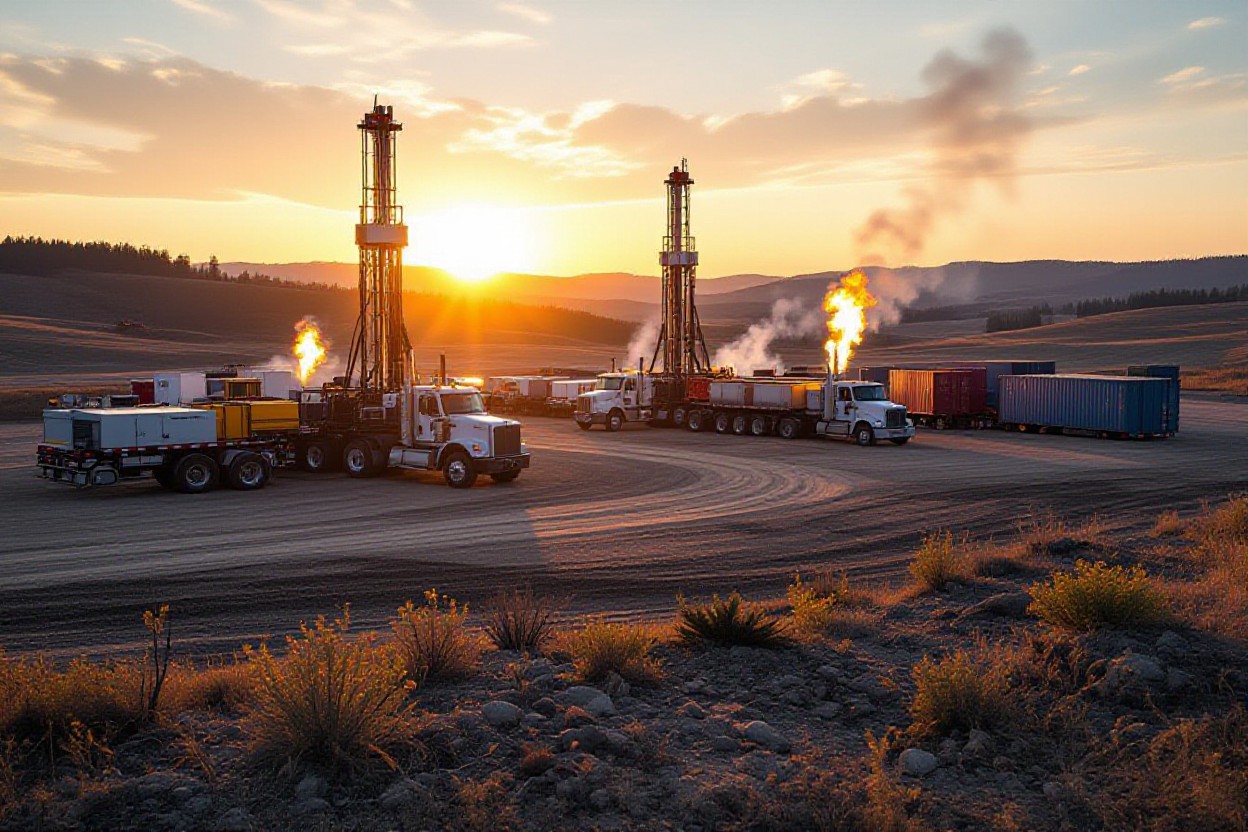
Air quality around fracking sites doesn’t just affect some abstract atmosphere, it lands right in your lungs. You get a mix of methane leaks, toxic volatile organic compounds (VOCs), nitrogen oxides, and fine particles that can travel miles from a well pad. In Pennsylvania, studies have linked fracking activity to higher levels of ozone-forming pollution, and in parts of Colorado, ozone spikes have rivaled those in big cities like Los Angeles. So when rigs go up, your local “fresh air” can quietly turn into a low-level chemical soup.
Emissions and Their Impact on Health
What really hits home is how directly these emissions show up in your body. You see higher rates of asthma attacks, pregnancy complications, and cardiovascular issues in communities living within 1 kilometer of active wells, according to multiple peer-reviewed studies. Kids are especially vulnerable, since their lungs are still developing and they breathe more air per pound of body weight than you do as an adult. Add in nighttime flaring, which spikes benzene and formaldehyde, and you’ve got a recipe for chronic irritation, headaches, and long-term health risks, even if you never set foot on a drill pad.
What Are We Breathing in, Anyway?
When you live near fracking, you’re not just breathing “dust from the trucks.” You’re inhaling a mix of benzene, toluene, xylene, formaldehyde, ground-level ozone, diesel soot, and ultra-fine particles that slip deep into your lungs. One study in Utah found winter ozone levels hitting 130 parts per billion during fracking booms, more than double the US health standard of 70 ppb. So every casual breath can quietly carry industrial leftovers your body never asked for.
So if you peel back the jargon, what you’re breathing is basically a rotating cast of industrial chemicals plus traffic-style pollution on steroids. Benzene is a known carcinogen, xylene messes with your nervous system, and tiny PM2.5 particles are small enough to cross from your lungs into your bloodstream, which is why you see links to heart attacks and strokes even at levels below official limits. In Texas’ Eagle Ford Shale, mobile monitors have picked up benzene spikes above short-term health guidelines within a mile of facilities, and those peaks often happen at night when you’re sleeping with the windows cracked. That’s the part that sticks with you – you’re exposed even when you feel “far enough away.”
What About Local Communities?
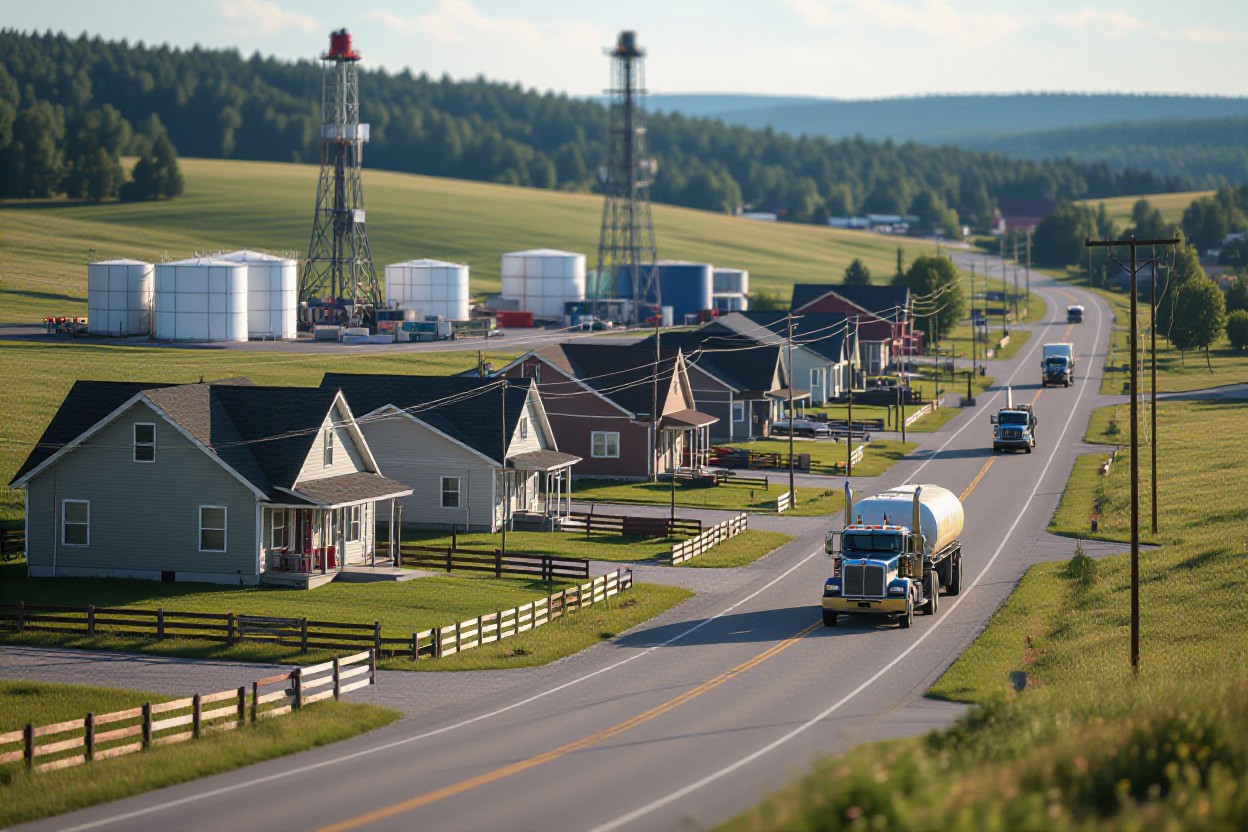
Have you noticed how fracking debates get especially heated at the local level, where rigs pop up near homes, farms, and schools? You see property values shift, truck traffic spike, and those 24/7 noise and light issues that never seem to sleep. In some Pennsylvania townships, residents reported higher asthma rates within 3 km of fracking sites, while others saw road upgrades and new parks. Your daily life, not just abstract policy, is what really gets reshaped here.
Economic Boons or Just Short-term Gains?
Ever wonder if those slick promises of “jobs and prosperity” actually stick around in your town? In places like North Dakota’s Bakken and the Marcellus Shale in Pennsylvania, fracking brought thousands of jobs and big tax bumps… for a while. You might see hotels fill up, diners packed, rents spike, then suddenly rigs move on and the boom fizzles. Your local economy can end up addicted to a revenue stream that dries up faster than anyone expected.
The Social Impact – Dividing Folks?
Have you seen neighbors stop talking to each other over fracking yard signs? In a lot of small towns, you’re watching families split into “royalty check people” and “water worry people”, and it gets personal fast. When one landowner signs a lease and pockets $50,000-plus in bonus payments while the house next door faces nonstop truck noise, that tension doesn’t just vanish. Your community meetings turn into battlegrounds, not potlucks.
In real-life case studies from rural Pennsylvania and Texas, you get this weird social map where some streets are full of shiny new pickups and others are quietly dealing with suspected well contamination, nosebleeds, or kids’ asthma flaring up. You might notice churches, school boards, even local Facebook groups splitting into pro-frack and anti-frack camps, and conversations that used to be about Friday football or bake sales suddenly turn intense. Because once a few families rely on royalty checks to pay off debt or send kids to college, any pushback can feel like a direct attack on their future, and you end up with gossip, side-eyes at the grocery store, and that slow erosion of trust you feel long before anyone admits it out loud.
To wrap up
On the whole you’re looking at an energy source that still supplies roughly two-thirds of your fossil fuel mix in many regions, yet it drags along water use, methane leaks, and local ecosystem stress. So when you weigh fracking, you’re not just weighing cheap gas, you’re really weighing what kind of air, water, and climate you want to live with.
FAQ
Q: What exactly is fracking and how does it work?
A: Fracking is basically a high-pressure rock-splitting trick to squeeze oil and gas out of deep underground layers that wouldn’t flow on their own. Companies drill a really deep well, often go straight down for miles, then turn horizontally through rock formations like shale.
Then comes the hydraulic part. They pump a mix of water, sand, and chemicals into the well at very high pressure, which cracks the rock and opens tiny fractures. The sand props those cracks open so gas or oil can move through the rock and back up the well to the surface. It’s like forcing open a stuck sponge so the stuff inside can actually come out.
Q: What are the main environmental risks of fracking?
A: The big environmental worry list usually starts with water – both contamination and usage. Fracking uses millions of gallons of water per well, which can stress local supplies in dry regions, and the wastewater that comes back up is often loaded with salts, heavy metals, and sometimes naturally occurring radioactive materials from deep underground.
Then you’ve got risks of spills at the surface, leaky wells that might let gas or fluids move into shallow groundwater, and habitat damage from all the roads, rigs, and pipelines. Air pollution is another one: fracking sites can release methane (a powerful greenhouse gas), volatile organic compounds, and other pollutants that affect local air quality. So it’s not just what happens underground – the entire industrial footprint matters.
Q: Does fracking contaminate drinking water?
A: This is the question that keeps coming up at kitchen tables in drilling areas, and for good reason. Contamination can happen in a few different ways, but it’s not usually from the fractures themselves magically jumping thousands of feet into shallow aquifers – it’s more often human and mechanical failure closer to the surface.
If well casings or cement around the wellbore are poorly designed, installed, or maintained, gas or fluids can migrate into groundwater. Surface spills of chemicals or wastewater can also seep into shallow wells or streams. Studies have found real cases of contamination near some sites, especially in regions with lots of older or poorly regulated wells, but it isn’t uniform everywhere – strong regulations, good well construction, and serious monitoring make a big difference in how often it happens.
Q: How does fracking affect climate change and greenhouse gas emissions?
A: Fracking has this weird double identity when it comes to climate. On one hand, it massively increased natural gas production, which helped many countries shift power plants from coal to gas, and gas usually emits less CO2 per unit of electricity than coal does.
But methane leaks change the story a lot. Methane is a potent greenhouse gas, especially over the short term, so leaks from wells, pipelines, and processing equipment can erase climate benefits pretty fast if they aren’t controlled. And then there’s the long game: more cheap fossil fuel means we might delay switching to renewables, locking in a higher-emissions pathway for decades. So the climate impact isn’t just about each well, it’s about the system choices we make around it.
Q: What are the local health and community impacts near fracking sites?
A: People living near fracking operations often talk about a mix of subtle and not-so-subtle changes. You get truck traffic 24/7, noise, bright lights at night, dust from roads, and sometimes strong odors around active sites.
Some studies have linked living close to dense drilling areas with higher rates of respiratory issues, headaches, stress, sleep disruption, and in some cases potential birth outcome concerns, though the science is still evolving and not all studies agree. On top of that, communities can feel split: some folks get royalties and jobs, others get none of the money but deal with the downsides, which can create real social tension and mental health strain.
Q: Why do governments and companies push fracking if it has these downsides?
A: The simple answer is energy and money. Fracking unlocked huge reserves of oil and gas that were previously uneconomic, which changed energy markets, cut imports for some countries, and created a ton of jobs in certain regions.
For policymakers, there’s also the energy security argument: relying less on foreign suppliers and more on domestic production can look very attractive. And because gas can be cheaper and more flexible than some other energy sources, utilities and industries like it. So decision-makers are constantly balancing short-term benefits like jobs, tax revenues, and cheaper energy against long-term environmental and health risks that are harder to put into a spreadsheet.
Q: Can fracking ever be done safely or is the only answer to stop it?
A: This is where the debate gets really heated. Some argue the safest path is to phase fracking out quickly and pour everything into renewables and efficiency, especially given how tight the global carbon budget already is.
Others push for what they call “tighter and smarter” fracking: stronger regulations, full chemical disclosure, better well design and cementing standards, robust methane leak detection, strict wastewater handling, and real community oversight. These measures can cut a lot of the risk, but they don’t eliminate all of it, and they don’t erase the climate impact of burning the fuel at the end. So it comes down to what kind of energy transition timeline a society chooses and how much environmental and health risk it’s willing to carry along the way.


Leave a comment