

This idea that you only get enough magnesium from a supplement bottle is pretty off the mark, because your everyday foods can be quiet powerhouses for this mineral. In this guide, you’ll see how your plate – from leafy greens to nuts, seeds, and even dark chocolate – can give you steady magnesium that supports nerves, muscles, and energy. You’ll also get a quick grip on what happens if you fall short, using science-backed info like the Magnesium – Health Professional Fact Sheet so you can tweak your meals with real confidence, not guesswork.
Many evenings you probably crash on the couch feeling wiped out and a bit foggy, wondering why your energy feels off even though you’re “eating ok”, right? In this guide, you’ll unpack what foods actually give you solid magnesium, how your body uses it for steady energy, muscle function, sleep, and heart health, and what happens when you’re not getting enough. You’ll see how simple food tweaks – like what you toss in your salad or smoothie – can quietly support your nerves, blood pressure, and long-term health without complicated rules.
What’s the Deal with Magnesium?
You know those nights when your eye twitches, your legs feel jumpy, and you’re weirdly wired but tired at the same time? That’s the kind of thing that often pops up when your magnesium intake is off. This single mineral quietly helps over 300 enzyme reactions in your body, from energy production to steadying your mood, and when you skimp on it, you feel it in your sleep, your muscles, even your focus.
Types of Foods Packed with Magnesium
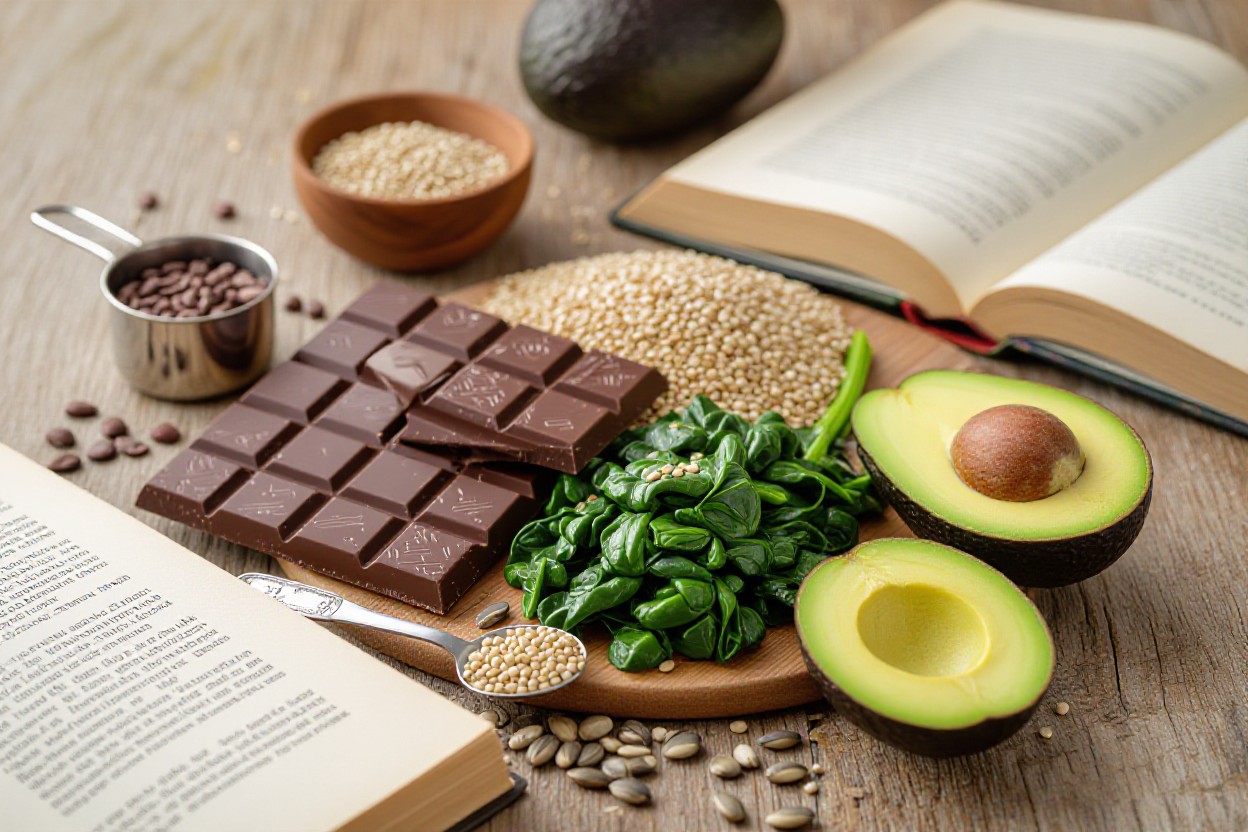
Instead of reaching straight for a supplement, you can load your plate with everyday foods that naturally top up your magnesium. You’ve got leafy greens, nuts, seeds, whole grains, even dark chocolate stepping up as legit sources, and they usually bring along bonus nutrients like fiber and healthy fats too. The trick is spreading these foods across your meals so your body has a steady supply rather than one big hit it can’t fully use.
- magnesium rich foods
- leafy greens
- nuts and seeds
- whole grains
- dark chocolate
| Spinach | About 150 mg of magnesium per cooked cup, plus vitamin K and folate |
| Almonds | Roughly 80 mg per 28 g handful, with healthy fats and protein |
| Black beans | Close to 120 mg per cooked cup, also loaded with fiber |
| Oats | About 60 mg per cup cooked, steadying blood sugar too |
| Dark chocolate | Roughly 65 mg per 30 g if it’s 70 percent cocoa or higher |
The more you weave these ingredients into snacks, breakfasts, and quick dinners, the easier it becomes to naturally hit your daily magnesium target without overthinking it.
The Lowdown on Why You Need It
Think about the last time you had a killer workout and woke up with tight, achy muscles that just wouldn’t chill – that recovery process quietly leans on your magnesium status. This mineral helps your cells make ATP (your energy currency), supports normal blood pressure, and works alongside calcium to keep your heart rhythm steady and your muscles able to relax after they contract. Low intake is linked in research to higher risk of type 2 diabetes, migraines, and poor sleep quality, so when your diet is light on magnesium-rich foods, you’re not just tired, you’re stacking the odds against long-term health.
On a deeper level, you use magnesium to regulate nerve signaling, which is why low levels can make you feel edgy or wired, almost like your internal volume knob is stuck on high. Your bones also quietly stash about 60 percent of your body’s magnesium, so if your intake lags for months or years, your skeleton ends up paying the price while your body keeps borrowing from its reserves. Some studies even show higher magnesium intake is associated with better insulin sensitivity, fewer PMS symptoms, and less severe anxiety in some people, which is why tweaking your daily food choices can sometimes do more than any fancy supplement stack. The more consistently you feed your body decent magnesium sources, the better shot you give yourself at calmer nerves, steadier energy, and less of that wired-but-exhausted feeling that keeps wrecking your evenings.
What Foods Actually Have Magnesium?
Roughly 60% of your body’s magnesium hangs out in your bones, and you keep it steady by eating very specific foods on repeat. You get a solid chunk from everyday staples like leafy greens, nuts, seeds, whole grains, beans, and even dark chocolate. What usually surprises people is how much magnesium hides in “boring” pantry items you already buy, so you don’t need exotic powders or pricey supplements to hit the typical 310-420 mg per day target.
The Usual Suspects: Leafy Greens and Nuts
One cup of cooked spinach can give you around 150 mg of magnesium, which is nearly half of what some adults need in a day, and that’s before you toss in almonds or cashews. When you snack on a small handful of almonds (about 28 g), you’re getting roughly 75 mg right there. So if you build a salad with spinach, pumpkin seeds, and a sprinkle of nuts, you quietly stack up serious magnesium without changing your whole diet.
Surprise Sources: Grains, Legumes, and More
Half a cup of cooked black beans serves up about 60 mg of magnesium, and a cup of cooked quinoa lands in the same ballpark, which means your basic burrito bowl is secretly a magnesium win. Whole wheat bread, oats, and even tofu slide more magnesium into your day than most people guess. And yes, that square of 70-85% dark chocolate can add 60-70 mg per ounce, so dessert sometimes pulls its weight too.
Because a lot of your magnesium comes from “background” foods, small swaps really matter – trading white rice for brown, or regular pasta for whole wheat, can add 30-40 mg per serving without you feeling like you’re on a diet. Lentils, chickpeas, and edamame quietly bring another 50-70 mg per half cup, so your usual curry, chili, or hummus snack suddenly looks like a strategic move, not just comfort food. Even everyday extras like peanut butter on whole grain toast or a bowl of oat-based cereal with fortified plant milk can push you closer to your target, which is exactly how you cover your bases without obsessing over every bite.
So, What Foods Should You Be Eating?
Instead of chasing magic powders, you start with actual food that quietly loads your plate with magnesium every single day. You’re looking at things like nuts, seeds, leafy greens, beans, whole grains, even dark chocolate, all pulling their weight. A small handful of almonds, a cup of spinach, some black beans at lunch – that combo alone can push you toward 300-400 mg of magnesium without feeling like you’re “on a plan.”
Nuts and Seeds: Nature’s Powerhouses
Compared to most snack foods, nuts and seeds are like the overachievers of the magnesium world. An ounce of pumpkin seeds clocks around 150 mg of magnesium, almonds bring about 80 mg, and even humble peanuts sneak in roughly 50 mg. You sprinkle chia or flax on yogurt, grab a small trail mix, or toss cashews into a stir-fry and you’ve quietly bumped your intake in a big way.
Leafy Greens: Your Health’s Best Friends
Unlike boring iceberg lettuce, leafy greens like spinach, Swiss chard, and kale are flat-out loaded with magnesium. One cooked cup of spinach can hit around 150 mg of magnesium, which is a huge chunk of your daily target in a side dish you barely think about. You toss them into omelets, soups, or pasta, and suddenly your everyday meals start working a lot harder for your energy, mood, and sleep.
What surprises most people is how easily you can work leafy greens into meals without feeling like you’ve turned into a salad-only person. You sauté spinach with garlic and olive oil, blend kale into a smoothie with banana and peanut butter, or throw a couple of big handfuls of chard into a chickpea curry and it just melts right in. Because chlorophyll-rich greens carry magnesium at the center of that pigment, you’re basically getting a built-in mineral upgrade every time you pile more green on your plate.

My Take on Why Magnesium Matters
Roughly 60% of the magnesium in your body sits in your bones, quietly working while you get on with your day, and that’s exactly why I care about it so much. You feel it when it’s low – the twitchy eyelid, the wired-but-tired brain, the stubborn constipation that won’t budge. When you start nudging your intake up from food, you notice subtle shifts first, then bigger ones, like more stable energy and fewer 3 a.m. wakeups. It quietly supports dozens of things you care about but rarely connect to minerals.
The Benefits You Didn’t Know About
Over 300 enzymes rely on magnesium, yet you usually only hear about it for cramps or sleep, which is wildly incomplete. You get little hidden wins: more balanced blood sugar because magnesium helps insulin work better, fewer PMS mood crashes, even fewer migraines in some studies. One 2019 review found magnesium supplementation cut migraine frequency by up to 41%. So when you bump up your magnesium-rich foods, you’re not just chasing “relaxation” – you’re quietly tuning a whole network of systems that make daily life feel smoother.
How Magnesium Impacts Your Body
About 50% of people don’t hit the recommended magnesium intake, and your body feels that shortfall in ways you might not pin on minerals at all. Your muscles need it to relax after they contract, your heart uses it to keep a steady rhythm, and your brain depends on it for calm, steady nerve signaling. When levels slide, you get more tension, more irritability, and more weird sleep patterns. Hit your magnesium sweet spot and you often feel more grounded in your own body, not just “less deficient”.
Because magnesium acts like a biochemical sidekick in more than 300 reactions, it touches almost every corner of your physiology in some way. Your cells use it to make ATP, which is basically your energy currency, so without enough, workouts feel heavier, recovery feels slower, even simple tasks feel weirdly draining. It also helps regulate calcium flow into cells, so your heart muscle fires in an orderly way instead of going off on its own little rhythm adventure, plus it supports GABA activity in your brain, which is your main “chill out” neurotransmitter. When you dial magnesium up through foods like pumpkin seeds, spinach, almonds, beans, you give your body better tools to manage stress, blood pressure, and inflammation all at once – it’s one of those quiet upgrades that shows up as fewer random symptoms over time.

My Take on Supplementing with Magnesium
Ever catch yourself wondering if a magnesium pill could shortcut all the food stuff you’ve just read about? In my own work with clients, I usually start with food, then carefully layer in supplements only when diet alone doesn’t move the needle on sleep, muscle cramps, or anxiety. You get the best results when you pair a consistent intake of magnesium-rich foods with a targeted supplement, not when you chase the latest influencer dose that’s way too high for your body.
Pros You Might Not Have Considered
One thing people underestimate is how a well-chosen magnesium supplement can give you steady, predictable intake every single day, which matters if your diet swings a lot. Certain forms like magnesium glycinate and citrate are actually used in sleep clinics and cardiology practices because they tend to be gentler on your gut and may support better sleep quality, blood pressure, and muscle recovery. For some of you, that consistency is what finally gets rid of those 3 a.m. wake-ups.
Cons to Keep in Mind
On the flip side, it’s surprisingly easy to overdo it, especially if you mix a high-dose supplement with magnesium-fortified foods or a multivitamin and suddenly you’re hitting well above the 350 mg supplemental upper limit. That can mean diarrhea, nausea, or in rare cases real trouble for your heart if you already have kidney issues. So you want to think of supplements as targeted tools, not candy, and actually read the label, check the form, and figure out how it fits into your total daily intake.
What most people don’t see right away is how sneaky those “harmless” side effects can get if you’re piling on multiple products. You might grab a 400 mg magnesium oxide tablet (cheap but poorly absorbed), add a 200 mg multivitamin, then drink a magnesium-fortified sports drink and suddenly your gut is a mess and you think it’s gluten or stress. For anyone with kidney disease, heart rhythm issues, or on meds like proton pump inhibitors or certain diuretics, extra magnesium can interact in ways your body can’t easily correct, because it relies on your kidneys to keep blood levels in check. So if you’re already on prescriptions or you notice irregular heartbeats, unusual fatigue, or stubborn low blood pressure, you really want to run your supplement plan past a clinician instead of just bumping the dose because “magnesium is natural, so it must be safe”.
Tips for Boosting Your Magnesium Intake
Scroll through nutrition TikTok lately and you’ll see people tossing chia seeds on literally everything, which actually isn’t the worst idea for upping your magnesium intake. You can stack small habits: add a handful of pumpkin seeds to yogurt, swap in black beans for some of the meat in tacos, or use spinach as your salad base instead of iceberg. This kind of sneaky layering keeps your daily magnesium intake higher without feeling like a diet overhaul.
Easy Swaps You Can Make Today
One simple move you can try today is trading your usual afternoon cookie for a square or two of dark chocolate (70% or higher), which gives you around 60 mg of magnesium per ounce. Swap white rice for quinoa, use almond butter instead of regular butter on toast, or grab trail mix with nuts and seeds instead of chips. This turns your everyday snacks and sides into steady magnesium-rich sources without feeling like punishment.
When to Consider Supplements?
Some people still fall short on magnesium even with a decent diet, especially if they drink a lot of alcohol, use diuretics, or have gut issues like celiac or Crohn’s that mess with absorption. If you regularly hit symptoms like muscle cramps, low energy, trouble sleeping, or constipation and your food game is already pretty solid, a magnesium supplement might be worth discussing with your doctor. This is usually where forms like magnesium glycinate or citrate come up, since they tend to be better tolerated than the cheap oxide tablets.
When you dig into the research, you see that up to 50% of people in Western countries may not hit the recommended 310-420 mg of magnesium per day, and that’s where supplements can fill a legit gap rather than acting like a magic pill. You might consider them if blood tests show low levels, if you’re on meds like PPIs, certain antibiotics, or diuretics that deplete magnesium stores, or if you follow very low calorie or highly processed diets that lack whole foods. Some athletes use magnesium glycinate or magnesium malate to support recovery and sleep, while people with constipation often reach for magnesium citrate or magnesium oxide because of their laxative effect. This is where working with a practitioner matters, since too much can trigger diarrhea, mess with other minerals like calcium and potassium, and interact with meds such as blood pressure drugs or certain antibiotics.
Tips for Boosting Your Magnesium Intake
You can quietly fix low magnesium just by tweaking what you already eat. Start stacking your day with magnesium-rich foods like oats, beans, nuts, seeds, leafy greens, and dark chocolate so every meal does a bit of the heavy lifting. Try hitting at least 5 servings of plant foods daily, and lean into mixed dishes like grain bowls or hearty salads where you can pile on extras. The easiest strategy is to build habits: keep a jar of pumpkin seeds on your desk, add spinach to your eggs, and swap one snack a day for a nut-and-fruit combo.
Simple Swaps for Your Meals
Small food swaps can easily add 100-200 mg of magnesium to your day. Trade white rice for quinoa or brown rice, regular pasta for whole wheat, and sugary snacks for a handful of almonds or cashews. Toss spinach into smoothies instead of using only fruit, use hummus instead of mayo, and top yogurt with pumpkin or chia seeds instead of candy granola. The key is picking upgrades you actually enjoy so you’ll stick with them long term.
Timing is Everything: When to Eat
When you eat magnesium can change how your body uses it and how you feel. Many people find a magnesium-rich dinner with beans, greens, and whole grains helps them unwind in the evening. Pairing magnesium foods with meals that contain some fat and protein can support better absorption, so don’t just nibble nuts alone all day. The smartest move is spreading your intake across 2-3 meals instead of dumping it all into one giant salad or smoothie.
Timing your magnesium like you time your workouts or sleep can make a bigger difference than you’d think. If you tend to get muscle cramps at night, loading more magnesium at lunch and dinner can help, because your blood levels usually peak a few hours after eating. Some people sleep better when they have a magnesium-rich snack in the evening, like yogurt with seeds or a small handful of nuts, rather than grabbing something sugary. And if you’re taking a magnesium supplement on top of food, splitting it into 2 smaller doses with meals can cut the risk of digestive upset while giving your body a steadier supply to work with.
Step-by-Step: How to Create a Magnesium-Rich Meal Plan
| Step | What You Actually Do |
|---|---|
| 1. Set a daily target | You aim for roughly 310-420 mg of magnesium per day (depending on age/sex), then spread that over 3 meals and 1-2 snacks so you’re not loading it all at once. |
| 2. Build a food list | You pull together foods you actually like from categories like leafy greens, nuts, seeds, beans, whole grains and dark chocolate, using tools like this Foods high in magnesium list. |
| 3. Anchor each meal | You start each meal with a magnesium hero food (oats, quinoa, black beans, tofu, pumpkin seeds, almonds) and build around it with protein, veg and healthy fats. |
| 4. Layer the extras | You sprinkle, stir and swap: add chia or pumpkin seeds to salads, use tahini sauce, trade white rice for brown, and pick cocoa-rich chocolate instead of sugary bars. |
| 5. Check the balance | You quickly scan your day to see if at least 2-3 meals include a clear magnesium source, then tweak portion sizes or snacks rather than starting over from scratch. |
Breakfast to Dinner: Full-Day Ideas
You could kick off with oats cooked in milk, topped with pumpkin seeds, banana and a square of grated dark chocolate, then slide into a lunch of quinoa salad with black beans, avocado and spinach, and round out the day with a tofu stir-fry, brown rice and a side of steamed greens so your magnesium intake quietly stacks up from breakfast to dinner without feeling like a science project.
Snacking smarter with Magnesium in Mind
Instead of grabbing random sugary snacks, you rotate a few high-impact options like a small handful of almonds and cashews, Greek yogurt with cacao nibs, hummus with wholegrain crackers or roasted chickpeas so every nibble nudges your magnesium up rather than tanking your energy and leaving you chasing more food an hour later.
What really changes the game is treating snacks like mini magnesium pit stops, not just something you inhale between meetings or on the couch at 10 pm. You build a tiny toolkit: a jar of mixed nuts and seeds (almonds, pumpkin seeds, sunflower seeds), pre-portioned roasted chickpeas, single-serve nut butter packs ready to squeeze onto apple slices, even a couple of high-cocoa dark chocolate squares in your bag. And because you’re pairing these with a bit of protein and fiber, you’re not only padding your magnesium intake, you’re smoothing blood sugar swings so you feel less wired-tired and way more steady across the day.

Step-by-Step Guide to a Magnesium-Rich Meal
You know those evenings when you stare at the fridge thinking, ok… now what. This is where a simple magnesium-focused game plan saves you – think one protein, one whole grain, one leafy green, plus a nut or seed topper. Grilled salmon with quinoa, spinach sautéed in olive oil, and a sprinkle of pumpkin seeds easily hits over 150 mg of magnesium in one sitting, and you barely had to think about it.
| Step | What You Do |
| 1. Anchor with protein | Pick magnesium-friendly proteins like black beans, lentils, tofu, or salmon to build around. |
| 2. Add a whole grain | Use brown rice, quinoa, oats, or whole wheat pasta to add 40-80 mg of magnesium per serving. |
| 3. Load leafy greens | Throw in spinach, Swiss chard, or kale, aiming for at least 1 packed cup cooked or raw. |
| 4. Sprinkle nuts and seeds | Top meals with almonds, cashews, sunflower, or pumpkin seeds for an extra 50-100 mg. |
| 5. Balance flavors | Use herbs, garlic, lemon, and olive oil so your magnesium-rich plate actually tastes amazing. |
Planning Your Grocery List
Picture your cart divided into little magnesium zones: veggies, grains, proteins, snack toppers. You grab spinach, kale, and frozen edamame, then roll over to quinoa, brown rice, and old-fashioned oats. After that you toss in black beans, chickpeas, tofu, and a bag of almonds or pumpkin seeds so you can hit 300-400 mg per day just by mixing and matching during the week.
Cooking Up a Magnesium Feast
Instead of overthinking it, you just batch-cook a few magnesium heroes on Sunday and coast all week. You simmer a pot of quinoa, roast a tray of chickpeas and sweet potatoes, then wilt a pile of spinach with garlic in olive oil. Suddenly, throwing together a bowl with quinoa, beans, greens, avocado, and a handful of pumpkin seeds turns into your 10-minute magnesium bomb.
On busy nights, you might start by reheating that cooked quinoa in a skillet with a splash of water, then stir in black beans, leftover greens, and a scoop of plain yogurt on the side for protein. If you toss in 2 tablespoons of pumpkin seeds (about 80 mg of magnesium) and half a cup of spinach (around 75 mg cooked), you quietly stack a serious dose without any supplement routine. You can do the same trick with pasta: swap in whole wheat, stir in white beans and chopped kale, finish with olive oil and a shower of sunflower seeds, and suddenly your comfort food is doing heavy lifting for your nerves, muscles, and sleep.

What Factors Affect Magnesium Absorption?
You can eat all the magnesium-rich foods you want, but your gut still gets the final vote on how much you actually use. Gut health, stomach acid levels, age, meds like PPIs, and a high intake of calcium or zinc supplements can all drag absorption down, while vitamin D and a healthy microbiome tend to nudge it up. This means two people eating the same salad can end up with wildly different magnesium levels.
The Role of Other Nutrients
What surprises most people is how much other nutrients push your magnesium levels around behind the scenes. High doses of calcium, zinc, or iron supplements can compete with magnesium in your gut, while vitamin D and certain B vitamins quietly help you absorb and use it better. This is why your overall nutrient mix often matters more than any single magnesium supplement.
Lifestyle Choices that Matter
Daily habits like stress, alcohol, caffeine, and sleep patterns can mess with magnesium harder than a slightly off diet. Chronic stress and heavy drinking ramp up magnesium loss in your urine, while a high-sugar ultra-processed pattern seems to lower overall magnesium status over time. This makes your lifestyle feel a bit like a silent siphon on your magnesium stores.
What often gets missed is how lifestyle keeps chipping away at your magnesium in the background, even when your food looks decent on paper. Regular intense training without recovery, long-term sleep debt, lots of coffee plus a few nightly drinks – it all adds up to more magnesium being burned for stress hormones, muscle repair, and blood sugar control. So when you feel wired but oddly wiped, you’re not imagining it, your habits might be quietly draining the tank well before your diet has a chance to refill it.
What Factors Affect Magnesium Absorption?
Ever wonder why two people eat the same spinach salad and only one actually feels the benefit? Your gut only absorbs about 30% to 50% of the magnesium you eat, and that number drops if you have gut issues like celiac disease, chronic diarrhea, or low stomach acid. High doses of zinc, calcium, or iron supplements can compete with magnesium absorption, while alcohol and certain meds (like PPIs) quietly chip away at it too. Perceiving how these pieces interact helps you tweak your daily habits so more of that magnesium actually makes it into your bloodstream.
The Role of Other Nutrients
Ever notice how some meals just seem to “sit right” and others leave you bloated and wired? That can be your mix of fiber, protein, and minerals changing how much magnesium you absorb. Moderate fiber from beans or oats helps, but huge fiber loads or mega doses of calcium or zinc supplements can crowd magnesium out of your gut. Perceiving that pairing magnesium foods with a bit of fat and vitamin D rich foods can nudge absorption in your favor.
Lifestyle Choices that Matter
Ever think about how your nightly Netflix snack routine might be messing with your magnesium levels? Regular alcohol intake, heavy coffee habits, and chronic stress hormones all push your body to waste more magnesium through urine. Poor sleep and ultra-intense training without recovery do the same thing, quietly increasing your magnesium needs even if your diet looks solid on paper. Perceiving how your daily rhythms either leak or protect magnesium makes it way easier to fine tune your choices without obsessing over every bite.
Some days your habits basically act like a magnesium savings account, other days they’re more like a slow leak you don’t see until you’re twitchy, anxious, and reaching for chocolate at 10 pm. Long work stress, overtraining without rest days, and living on coffee plus processed carbs can all raise cortisol and insulin swings, which in turn drive higher magnesium loss in urine. On the flip side, simple stuff like getting 7 to 9 hours of sleep, keeping alcohol to just a few drinks per week, and doing low-intensity movement (walks, yoga, light cycling) actually helps your body hang on to magnesium stores. Perceiving lifestyle as part of your mineral strategy, not just a side note, is what turns magnesium from a supplement chore into something that quietly supports how you feel all day.

Pros and Cons of Magnesium-Rich Foods
You care about magnesium-rich foods not just because they help you hit some daily target, but because they actually change how your body feels and performs day to day, and like most things in nutrition, they come with trade-offs that are worth knowing so you can lean into the good and sidestep the annoying bits.
| Pros | Cons |
|---|---|
| Support steady energy by helping convert food into ATP, so you feel less wired-tired all day. | High-fiber magnesium foods like beans can trigger gas and bloating if you ramp them up too fast. |
| Help relax muscles and may cut down on nighttime cramps or restless legs for some people. | Nuts and seeds are calorie-dense, so it’s easy to overshoot your energy needs if you snack mindlessly. |
| Back up your heart rhythm and blood pressure control, especially when you’re under chronic stress. | Some leafy greens with magnesium also contain oxalates that can be an issue if you’re prone to kidney stones. |
| Support bone strength, working with calcium and vitamin D to keep your skeleton from feeling brittle. | Certain whole grains contain phytates that slightly reduce magnesium absorption if your diet is low in variety. |
| May ease PMS symptoms and mood swings by helping regulate neurotransmitters like GABA and serotonin. | Cacao-heavy options like dark chocolate can add extra sugar or caffeine if you’re not reading labels. |
| Often come packaged with other wins like fiber, antioxidants, and healthy fats in a single food. | Food allergies to nuts, seeds, or soy can knock out some of the most magnesium-dense staples for you. |
| Can improve blood sugar handling, especially when you pair beans or lentils with carb-heavy meals. | Some fortified foods with added magnesium use forms that are less bioavailable or rough on your gut. |
| Support better sleep quality by helping your nervous system downshift at night. | Overdoing high-fiber magnesium foods quickly can lead to loose stools or urgent bathroom trips. |
| Give you more nutrition for your grocery dollar when you choose staples like oats, beans, and frozen greens. | Canned options, like beans, can be high in sodium if you don’t rinse or choose low-salt versions. |
| Fit easily into different eating styles, from plant-heavy to omnivore, without fancy products. | Picky eating, texture issues, or IBS can make some of the richest sources harder for you to tolerate daily. |
The Good Stuff: Benefits to Your Health
Once you start pushing your intake toward the 300-400 mg range from whole foods, you often notice small but very real upgrades: steadier energy, fewer tension headaches, less wired-at-night-but-exhausted-by-day vibes, and if you’re active, better recovery because magnesium is in over 300 enzyme reactions tied to muscle repair and nerve function, so it quietly holds a lot of your daily comfort together.
Potential Downsides to Watch Out For
What catches many people off guard is that loading up on magnesium-rich foods can backfire a bit at first, since piling in beans, seeds, and big leafy salads overnight can leave you bloated, sprinting to the bathroom, or dealing with reflux, and if you rely heavily on things like nuts or dark chocolate for your magnesium, you can accidentally stack calories, sugar, or caffeine in a way that doesn’t match your goals.
Because your gut likes routine, throwing in an extra cup of black beans, a chia pudding, and a bag of almonds in the same week can easily tip you into gas, cramping, or loose stools, especially if your baseline diet was pretty low fiber. Some of the best magnesium sources, like spinach and Swiss chard, also carry oxalates, which your doctor may flag if you’ve had kidney stones before. And if you’re leaning on fortified cereals or bars to close the gap, you might be getting forms of magnesium that irritate your digestive system, plus additives you didn’t bargain for. So you really want to nudge your intake up slowly, watch how your body reacts, and not assume that more is always better just because it’s a mineral you’re “supposed” to get enough of.
Final Words
Considering all points, your big takeaway is that magnesium-rich foods are a simple, everyday way to support your energy, sleep, mood, and muscles without overcomplicating your life. When you lean into leafy greens, nuts, seeds, whole grains, and even a bit of dark chocolate, you’re basically giving your body quiet, steady support that adds up over time.
Summing up
From above, it’s pretty clear your magnesium game isn’t just some side detail – it quietly supports your energy, muscles, nerves, and overall balance. When you load your plate with leafy greens, nuts, seeds, legumes, whole grains, and a bit of dark chocolate, you’re stacking the deck in your favor. So if you want your body to actually back you up day after day, keep weaving these foods into your routine and let your daily meals do a lot of the heavy lifting for you.
FAQ
Q: Which everyday foods are naturally high in magnesium?
A: Magnesium shows up in way more foods than most people think, it’s just hiding in plain sight. The big hitters are leafy greens like spinach and Swiss chard, nuts and seeds (especially almonds, cashews, pumpkin seeds, sunflower seeds), and legumes like black beans, chickpeas, and lentils.
Whole grains are another strong source – oats, quinoa, brown rice, and whole wheat products all contribute a solid amount. You also get magnesium from avocado, bananas, dark chocolate (go for 70 percent cocoa or higher), tofu, and fatty fish like mackerel and salmon. When you build meals around plants and whole foods instead of ultra-processed stuff, your magnesium intake climbs without you even trying that hard.
Q: What are some quick snack ideas that boost magnesium intake?
A: Snacks are an easy win for magnesium, especially if you’re swapping out chips and candy for smarter picks. A handful of roasted almonds or cashews, a mix of pumpkin and sunflower seeds, or a small square of dark chocolate with nuts will bump your intake fast.
You can also go simple with a banana and peanut butter, carrot sticks with hummus, or a cup of edamame sprinkled with sea salt. Greek yogurt with chopped walnuts and a drizzle of honey works great too. Even something like whole grain crackers with avocado counts as a magnesium-friendly snack that actually keeps you full for a while.
Q: How does magnesium support energy, mood, and sleep?
A: Magnesium quietly works behind the scenes on hundreds of reactions in your body, and a lot of them touch energy, mood, and sleep in a big way. It helps your cells produce ATP, which is basically your energy currency, so low levels can leave you dragging and wondering why you feel wiped out.
On the mood side, magnesium helps regulate stress hormones and supports neurotransmitters like GABA and serotonin, which can influence how calm or wired you feel. For sleep, it helps muscles relax and supports a smoother transition into deeper sleep stages, so people who get enough magnesium often say they fall asleep easier and wake up feeling less wired and tense.
Q: Are plant-based and vegan diets good for getting enough magnesium?
A: Plant-based eaters actually have a bit of an advantage with magnesium if they play their cards right. Most of the best sources are plants: beans, lentils, peas, tofu, tempeh, nuts, seeds, whole grains, leafy greens, and veggies like okra or potatoes with the skin on.
The catch is that some plant foods contain phytates, which can slightly reduce how much magnesium you absorb. Still, when you eat a variety of plant foods across the day, the total magnesium you get usually makes up for that. If you’re vegan and eating a lot of whole foods, it’s surprisingly easy to hit or even exceed the recommended intake without supplements.
Q: How can I build a magnesium-rich day of meals without overthinking it?
A: Start breakfast with something that sets you up nicely, like oatmeal topped with chia seeds, almonds, and sliced banana, or whole grain toast with avocado and a side of Greek yogurt. Lunch could be a big salad with spinach or mixed greens, chickpeas or black beans, some quinoa, and a sprinkle of sunflower or pumpkin seeds.
For dinner, think simple: baked salmon or tofu, a side of brown rice or farro, and a heap of steamed or sautéed greens. Dessert or an evening snack could be a square or two of dark chocolate with a handful of walnuts or pistachios. When every meal has at least one magnesium star in it, you stop worrying about counting milligrams and just let the pattern handle the math for you.
Q: Can cooking methods affect the magnesium content in foods?
A: Cooking definitely changes things a bit, especially when water is involved. Magnesium is water-soluble, so if you boil veggies or legumes and throw out the cooking water, some of that mineral goes right down the drain.
Steaming, sautéing, or roasting usually keeps more magnesium in the food itself. If you do boil foods like beans or greens, using the cooking liquid in soups, stews, or sauces helps you keep more of what you paid for. Canned beans still keep a lot of magnesium too, just give them a quick rinse to reduce sodium and you’re good.
Q: What are the signs I might need more magnesium from my diet?
A: Symptoms can be annoyingly vague, which is why magnesium flies under the radar. People sometimes notice more muscle cramps or twitches, restless legs at night, or just feeling tight and tense in their shoulders and neck.
Some also report low energy, poor sleep, headaches, or feeling more anxious and on edge than usual. None of those automatically prove you need more magnesium, but if your diet is light on nuts, seeds, greens, beans, and whole grains, it’s worth tightening that up. Boosting food sources is a low-risk move, and if symptoms are intense or persistent, that is a cue to talk with a healthcare pro and consider proper testing before jumping straight into high-dose supplements.


Leave a comment