

There’s a big difference between eating to feel full and eating to keep your gut genuinely happy, and that’s where fiber quietly runs the show. In this guide, you’re going to see exactly which foods pack the most gut-friendly fiber, how they help you dodge issues like constipation, bloating, and blood sugar spikes, and how to sneak more of them into meals you already love. Because when your digestion runs smoothly, your whole day feels lighter, your energy’s better, and honestly…
What’s the Big Deal About Fiber?
About 95% of adults don’t hit their daily fiber target, which is wild when you think about how much your gut depends on it for steady energy, smoother digestion, and even better blood sugar control. You use fiber to slow the absorption of carbs, keep your cholesterol in check, and support a healthier weight without obsessing over calories. And when you consistently eat enough, your bathroom routine gets more predictable, your bloating usually calms down, and your gut just feels like it’s finally working with you, not against you.
Types of Fiber: Soluble vs Insoluble
Nutrition research keeps showing that soluble fiber and insoluble fiber act like a tag team for your digestive system, each doing a different job so your gut doesn’t have to work overtime. You get soluble fiber from foods like oats, beans, and apples, which forms a gel-like texture in your gut, while insoluble fiber from things like bran, nuts, and veggie skins adds bulk so things keep moving. Knowing how each type behaves helps you pick the right mix for energy, regularity, and more comfortable digestion, especially if your stomach tends to be a bit dramatic.
- soluble fiber benefits
- insoluble fiber foods
- digestive health support
- blood sugar control
- cholesterol lowering effects
| Soluble fiber sources | Oats, beans, lentils, apples, citrus fruits |
| Insoluble fiber sources | Whole wheat, bran, nuts, seeds, vegetable skins |
| Main soluble benefits | Slows digestion, supports blood sugar control, helps lower LDL cholesterol |
| Main insoluble benefits | Adds stool bulk, supports regular bowel movements, reduces constipation risk |
| Daily intake target | Aim for 25-38 g total fiber, mixing both soluble and insoluble types |
Why Fiber is Key for Gut Health
Gut-focused studies keep showing that people eating 25-30 grams of fiber a day have more diverse gut bacteria, fewer bathroom struggles, and lower inflammation markers, which is exactly what you want if your digestion’s been off. You basically feed your gut microbes with certain fibers, and in return they produce short-chain fatty acids that support your colon lining and even talk to your immune system, pretty wild partnership honestly. Knowing that a simple bump in veggies, beans, and whole grains can shift your microbiome in as little as 2-4 weeks should give you a ton of motivation to tweak your plate now, not “someday”.
When you zoom in a bit more on how this works, you start to see fiber as gut “fuel” rather than just roughage. Some fibers, like inulin from onions or resistant starch from cooled potatoes, are fermented by your gut bacteria and that fermentation process creates short-chain fatty acids like butyrate that keep your colon cells healthy and may reduce the risk of colorectal cancer over time. You also get a mechanical benefit from bulk-forming fibers that dilute potential irritants in your stool and help speed transit, which is why people with IBS or chronic constipation often feel better when they slowly increase fiber along with enough water. And even though it can feel awkward to talk about gas or bloating, paying attention to which high-fiber foods your body likes or complains about lets you customize your own “fiber formula” so you get the benefits without feeling gassy and miserable all day.
Foods that Pack a Fiber Punch
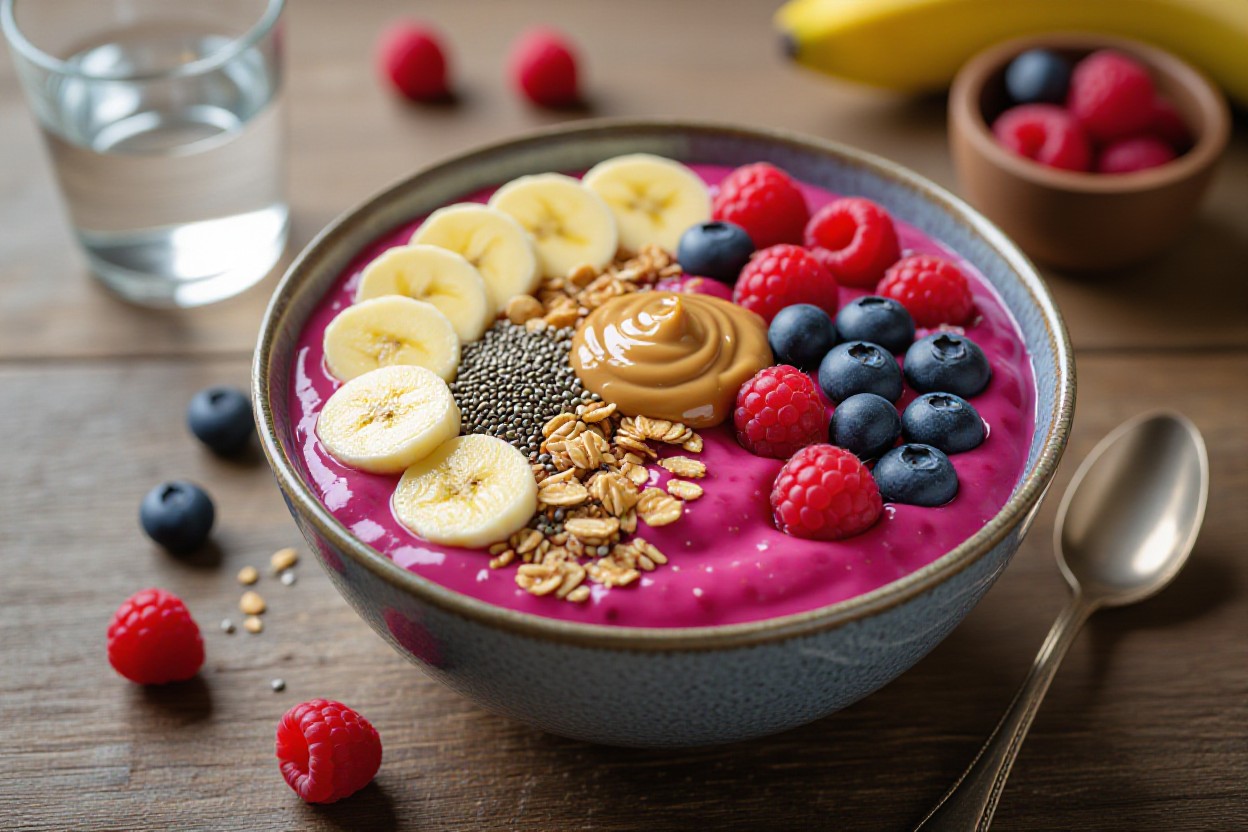
Your plate gets a whole lot more interesting when you realize a simple cup of cooked lentils hits around 15-16 grams of fiber, while a pear with the skin on gives you about 6. Suddenly, that boring-looking side of black beans, raspberries on yogurt, or a big scoop of barley soup turns into serious gut-support fuel. If you want more ideas, this guide on Foods high in fiber: Boost your health with fiber-rich foods is worth bookmarking.
My Top Picks for High-Fiber Foods
On a busy weekday, you can grab an apple (4-5 grams of fiber) and a small handful of almonds and you’re already nudging closer to that 25-38 gram daily target. Oats at breakfast, chickpeas tossed into your salad, and a side of roasted Brussels sprouts at dinner quietly stack up serious fiber without you overthinking it. Mix these with seeds like chia or flax and your gut will feel the difference fast.
Surprising Sources of Fiber You Might Not Know
A friend swore she barely ate any fiber, then we walked through her usual snacks and it turned out popcorn, dark chocolate, and even her avocado toast were all pulling their weight. That small avocado alone gives you about 10 grams of fiber, while 3 cups of air-popped popcorn offer around 3-4 grams, and a square or two of high-cocoa dark chocolate sneaks in a bit more. Suddenly your “treats” are helping your digestion rather than fighting it.
What usually blows people away is how many sauces and add-ons quietly count as fiber helpers too. Two tablespoons of hummus, a spoonful of chia seeds stirred into yogurt, or a generous sprinkle of pistachios over your salad can nudge your intake up without feeling like you’re eating rabbit food. Even cooked artichokes, edamame, and green peas show up big time, hitting 5-10 grams per serving. So if you start layering these into meals you already love – tacos, pasta, smoothies – you stack fiber all day without needing some massive diet overhaul.
Need Tips on Getting More Fiber?
You sit down to eat and realize your plate is mostly beige – that’s your cue to sneak in more fiber-rich foods. Swap low-fiber snacks for nuts, choose whole grains over white, and pile on veggies at lunch and dinner so your gut has something to actually work with. Assume that your best step-by-step guide is this NHS resource: How to get more fibre into your diet.
- High fiber foods
- Whole grains
- Legumes
- Fruits and vegetables
- Digestive health
Easy Swaps to Boost Your Fiber Intake
Next time you’re buying bread, grab wholemeal instead of white and you’ve already bumped your daily fiber without trying. Trade sugary cereal for oats, upgrade snacks to fruit with skin or air-popped popcorn, and switch from white pasta to wholewheat for roughly double the fiber per serving. Assume that these tiny swaps stack up fast and your digestion will notice.
Creative Ways to Enjoy Fiber-Rich Meals
When your meals feel boring, you naturally eat less of the good stuff, so play around with fiber-rich recipes that actually taste like something you’d crave. Load tacos with black beans, toss lentils into bolognese, or build big grain bowls using quinoa, roasted veg and a punchy dressing. Assume that the more color and texture you add, the easier it gets to hit 25-30 g of fiber a day.
On busy weeknights you probably want fiber that fits your real life, not some perfect Instagram plate. Try a 10-minute tray of roasted chickpeas and carrots tossed with spices, throw them over microwave brown rice, then top with yogurt and herbs – suddenly you’ve got protein, soluble fiber and insoluble fiber in one messy but amazing bowl. Batch-cook a big pot of bean and veg soup on Sunday so future-you only has to reheat, and sneak grated veg like courgette or carrot into sauces, turkey burgers, even muffin batter. Assume that if you make the high-fiber choice the easiest one in your kitchen, your gut health will quietly level up in the background.

Step-by-Step Guide to Adding Fiber to Your Diet
Small, consistent tweaks beat intense, short-lived overhauls when you’re boosting fiber. Start by upgrading one meal at a time: swap white toast for whole grain, trade sugary cereal for oatmeal, pile half your plate with veggies, then layer in beans, lentils, and seeds across the week. Aim to add about 3-5 grams of fiber per day until you hit the sweet spot of 25-38 grams daily so your gut has time to adapt and actually thrive.
| Step | What You Actually Do |
|---|---|
| 1. Audit your plate | Check a typical day and circle low-fiber meals so you know exactly where to upgrade. |
| 2. Fix breakfast first | Swap refined cereal for oatmeal, chia pudding, or a smoothie with berries + ground flax. |
| 3. Fiber-up your carbs | Choose whole grain bread, brown rice, quinoa, or whole wheat pasta as your default. |
| 4. Add a plant protein | Throw beans, lentils, or chickpeas into soups, salads, tacos, and bowls. |
| 5. Level up snacks | Trade chips and candy for fruit with skin, nuts, roasted chickpeas, or veggies with hummus. |
| 6. Hydrate on purpose | Drink at least 6-8 cups of water daily so extra fiber moves smoothly through your gut. |
| 7. Track for one week | Use an app or quick notes to hit your target grams so you’re not just guessing. |
How to Gradually Increase Fiber Without the Bloat
Your gut bacteria basically throw a party when you add more fiber, which is why gas ramps up if you go from 5 grams to 30 overnight. Instead, increase intake by about 3-5 grams every few days, chew slowly, and spread high fiber foods across meals, not in one giant salad bomb. Pair each bump in fiber with more water, light movement after eating, and cooked veggies at first, so your digestion keeps up without feeling like a balloon.
Meal Planning for Maximum Fiber Benefits
You get way more out of fiber when it’s spread through your whole day, not just a random high fiber snack at 4 p.m. Build meals so every plate has a fiber-rich carb, a plant protein, and at least one fruit or veggie, which easily stacks you into the 25-38 gram range. Prepping a big batch of lentil soup, roasted veggies, and cooked grains once or twice a week means your future self can throw together gut-friendly meals in 5 minutes instead of defaulting to beige takeout.
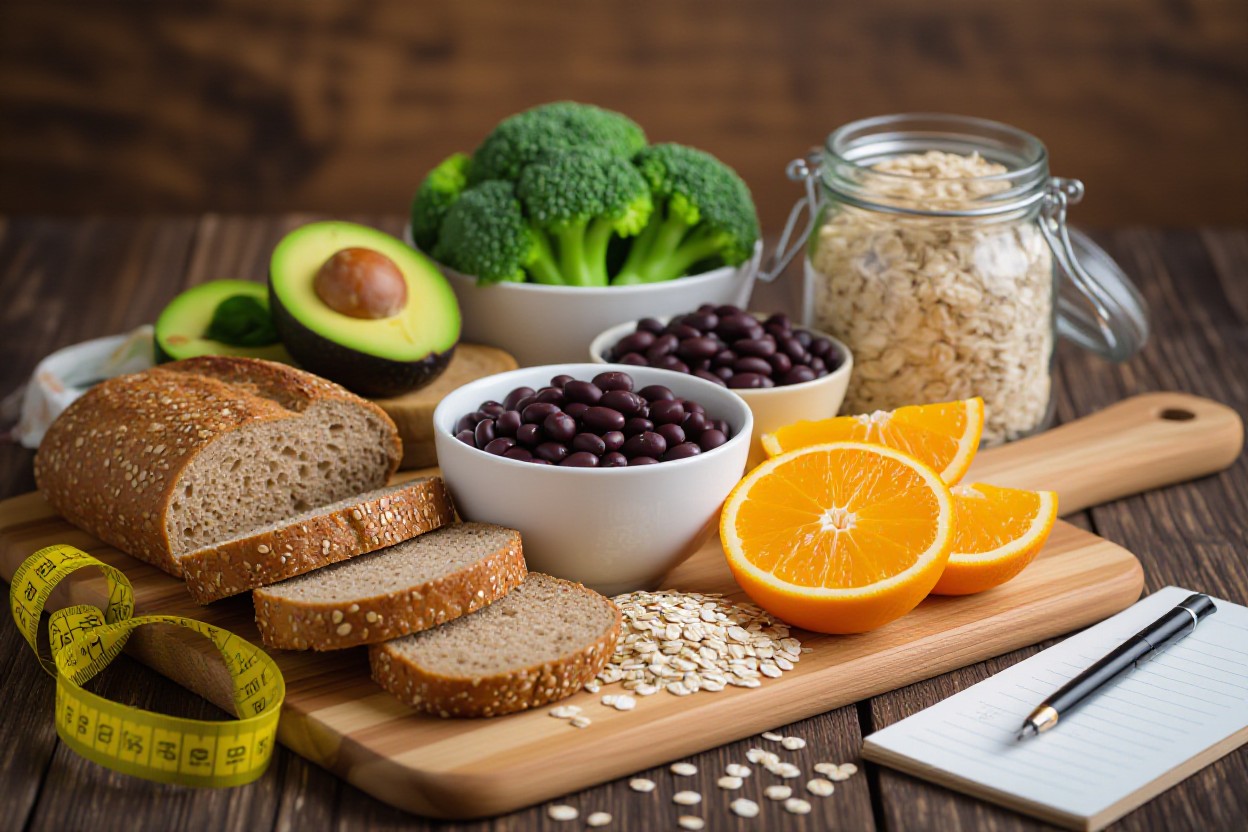
Think of your weekly plan like a fiber safety net: breakfast with oats or whole grain toast, lunches anchored by beans or lentils, dinners that always include a veggie and a whole grain, plus fruit-and-nut snacks filling the gaps. You might map it out as oatmeal with berries (10+ grams), a chickpea salad wrap (12 grams), and chili with black beans and quinoa (another 15 grams) so you practically hit your target on autopilot. When you batch cook those building blocks on Sunday – like roasting a sheet pan of veggies, cooking a pot of beans, and pre-chopping salad stuff – you make it almost impossible not to eat more fiber, even on hectic days.
What Factors Affect Your Fiber Needs?
Your ideal fiber target isn’t some one-size-fits-all number slapped on a chart, it shifts with your daily reality. Age, activity level, hormones, meds, and conditions like IBS or diabetes all tweak how much fiber your body handles well. Some people thrive at 35 grams a day, others feel better easing in at 18 to 20. Pregnancy, intense training, and gut sensitivity all change the game. Thou should treat fiber like a dial you adjust, not a switch you flip.
- Age and stage of life (child, adult, older adult, pregnancy)
- Activity level and training intensity
- Digestive issues like IBS, IBD, or chronic constipation
- Metabolic health including diabetes and high cholesterol
- Hydration and overall diet quality
Age, Activity Level, and Health Considerations
Different seasons of life ask for different amounts of fiber, so your teenager and your grandma absolutely should not be chasing the same target. Most adults land around 25 to 38 grams per day, but heavy exercisers, pregnant women, and people on heart-friendly diets often benefit from more. If you have IBS, recent gut surgery, or struggle with bloating, you may need slower increases and more soluble fiber from oats, chia, and cooked veggies.
Are You Getting Enough Fiber?
Chances are, you’re not even close, because most people only hit about 15 grams of fiber a day while guidelines sit closer to 25 grams for women and 38 grams for men. If you’re constipated a lot, get blood sugar spikes, or feel hungry an hour after eating, your plate probably needs more plants. Thou can use your bathroom habits, energy, and lab work as real-world feedback on how well your current fiber intake is actually treating you.
To get more specific, you can literally count a day’s worth of food once and see where you land: 1 cup of black beans is about 15 grams, an apple with skin is 4 grams, half a cup of oats is another 4, a tablespoon of chia seeds adds 5. Stack those up and you finally start creeping toward your target instead of hanging at that sad 10 to 15 gram zone. If you bump your fiber slowly over 1 to 2 weeks and pair it with more water, you should see smoother digestion, steadier appetite, and often nicer cholesterol and blood sugar numbers on your labs. And if adding more fiber consistently makes you miserable with gas or pain, that’s your cue to check in with a pro and fine-tune the types of fiber you use, not just the amount.
The Pros and Cons of a High-Fiber Diet
You’d think “more fiber” is always better, but like most health advice, it comes with a few trade-offs. Pile on beans, lentils, and bran overnight and you might end up with bloat, cramps, and a serious bathroom situation, but when you ramp up slowly and drink enough water, fiber can help you hit healthier cholesterol numbers, steadier blood sugar, and more regular, comfortable digestion. For a deeper examine specific foods, check out High-fiber foods – Nutrition and healthy eating.
| Pros | Cons |
|---|---|
| Improved bowel regularity and softer stools make constipation less likely. | Rapid fiber increases can trigger bloating, gas, and cramping. |
| Helps lower LDL cholesterol by trapping some fats in the gut. | Very high intakes (40+ grams) may bother sensitive guts or IBS. |
| Slows carb absorption for steadier blood sugar after meals. | Can interfere a bit with mineral absorption if you barely eat enough nutrients. |
| Boosts fullness so you naturally eat fewer calories without counting. | Sudden high-fiber meals may cause urgent bathroom trips for some people. |
| Feeds your gut bacteria, creating more short-chain fatty acids that protect the colon. | Some fermentable fibers aggravate FODMAP sensitivities. |
| High-fiber diets are linked to lower risk of heart disease and stroke. | Eating lots of fiber without enough fluids can worsen constipation. |
| Supports a healthier body weight over time without extreme dieting. | Packaged “fiber-added” foods can include ultra-processed fillers. |
| May reduce your risk of colorectal cancer in long-term studies. | Fiber supplements alone might crowd out whole foods on your plate. |
| Improves gut diversity so you’re more resilient to diet slip-ups. | High-fiber recipes sometimes require more planning and prep time. |
| Can help keep you regular when traveling if you stick to your usual pattern. | Some people feel socially awkward about extra gas at first. |
Why a High-Fiber Diet is Seriously Worth It
Most people walk around hitting barely 15 grams of fiber a day, while you’re aiming closer to 25-38 grams, and that gap is exactly where the magic happens. You get smoother digestion, fewer “stuck for days” episodes, and better bathroom wins, plus long-term perks like lower LDL cholesterol and modest blood pressure drops. Stack in daily beans, oats, veggies, and fruit, and you’re basically nudging your body toward healthier weight control without obsessing over every bite.
Possible Downsides and How to Avoid Them
Jumping from low fiber to double your usual intake in a week is how you earn that gassy, cramped, “why did I do this” feeling. You want to scale up slowly instead: add 5 grams per day for a week or two, sip more water, and spread fiber across meals so your gut isn’t blindsided. If your stomach is touchy, keep an eye on very fermentable fibers like onions, garlic, and big bean portions, or switch to gentler options like oats, peeled fruits, and cooked carrots.
What really saves you is treating fiber like strength training for your gut, not a crash course. So you nudge up your portions of lentils, whole grains, and veggies over 2-4 weeks, cook your vegetables instead of eating them all raw at first, and pair rougher foods (like bran or big salads) with plenty of fluids. If you notice specific triggers – say chickpeas or large amounts of wheat bran – cut the portion in half instead of ditching it entirely, and rely on friendlier sources such as kiwi, chia seeds, oats, potatoes with skin, and ripe bananas. And if you’re on meds, especially for diabetes or cholesterol, you check in with your healthcare provider because high fiber can slightly change how fast some drugs are absorbed, which is easy to manage if you catch it early.
To wrap up
From above, you can see how dialing up your fiber game really shifts your digestion, energy, even how full you feel after meals. When you build your plate around plants – fruits, veggies, whole grains, beans, nuts, seeds – you naturally hit your fiber goals without obsessing over numbers, you just feel the difference. So as you plan your next grocery run, ask yourself: what simple swap can you make today to give your gut a little more love?
FAQ
Q: Which everyday foods are naturally high in fiber?
A: About 95% of adults don’t hit the daily fiber target, even though a lot of regular grocery-store foods are loaded with it. Think beans, lentils, oats, berries, apples with the skin, pears, carrots, broccoli, chickpeas, whole grain bread, chia seeds, and flaxseeds – those are your fiber MVPs.
Beans and lentils sit at the top of the list, with roughly 12-16 grams of fiber per cooked cup, so one serving can get you halfway to your daily goal. Oats, barley, and quinoa give you a steady mix of fiber and slow-digesting carbs, while nuts and seeds sneak in a few extra grams that really add up if you snack on them regularly.
Q: How much fiber do I actually need for good digestion?
A: Most guidelines land around 25 grams per day for women and 38 grams per day for men, but honestly even hitting 20 grams consistently can make your gut a lot happier. Kids and older adults usually need a bit less, but everyone benefits from some kind of daily fiber baseline.
Think of it this way: if you eat fiber at every meal and at least one snack, you’re probably in the right zone. A bowl of oatmeal, a piece of fruit, a serving of beans, and some vegetables throughout the day can easily stack up to that range without you obsessively counting every gram.
Q: What’s the difference between soluble and insoluble fiber, and which foods have each?
A: Soluble fiber dissolves in water and forms a gel-like texture in your gut, which helps slow digestion and can support blood sugar and cholesterol levels. You’ll find it in oats, barley, apples, pears, citrus, carrots, beans, lentils, flaxseeds, and psyllium husk.
Insoluble fiber does the opposite job – it adds bulk to your stool and helps things move along more smoothly. That one’s packed into whole wheat bread, brown rice, bran, nuts, seeds, potato skins, cabbage, and the tougher parts of veggies like broccoli stems. Most whole plant foods give you a bit of both types, which is exactly what your digestive system wants.
Q: Which high-fiber foods are best if I’m dealing with constipation?
A: Around 16% of adults struggle with chronic constipation, and fiber-rich foods can really shift things in the right direction when you increase them gradually. Prunes, kiwi, pears, apples with skin, chia seeds, flaxseeds, oats, and cooked beans are some of the best options to support regularity.
Start by adding one or two of those each day, plus more water than you think you need, because upping fiber without enough fluid can backfire and make you feel more backed up. Warm drinks, like herbal tea or warm lemon water with breakfast, along with a bowl of oatmeal or some prunes, can create a nice “morning routine” for your gut.
Q: What are some easy high-fiber swaps for my usual meals and snacks?
A: Simple swaps go a long way: choose whole grain bread instead of white, brown rice instead of white rice, and whole grain or legume-based pasta instead of regular. For breakfast, swap sugary cereal for oatmeal, muesli, or a high-fiber bran cereal and toss in berries or sliced banana.
Snacks are a sneaky opportunity too – grab an apple or pear instead of a pastry, hummus with veggie sticks instead of chips, or a small handful of nuts and dried fruit instead of candy. One more underrated move: sprinkle chia or ground flaxseed into yogurt, smoothies, or even pancake batter and you barely notice it except your fiber count skyrockets.
Q: Can eating a lot of high-fiber foods cause bloating or gas?
A: If you jump from low fiber to super high fiber overnight, your gut bacteria get a little overexcited and you can end up gassy, bloated, or crampy. Foods like beans, lentils, chickpeas, certain cruciferous veggies, and big portions of whole grains are classic culprits when you ramp up too fast.
The fix is to increase fiber slowly over 1-2 weeks and drink plenty of water while you do it. Cooking beans thoroughly, rinsing canned beans, choosing smaller portions at first, and spreading your fiber across the whole day instead of in one huge salad at lunch can make things way more comfortable.
Q: Are fiber supplements as good as getting fiber from food?
A: Fiber supplements like psyllium, methylcellulose, or inulin can absolutely help if you’re struggling to get enough from food, especially for constipation or certain gut issues. They’re pretty convenient, but they usually give you just one or two types of fiber instead of the mix you get from real foods.
Whole foods bring extra perks like vitamins, minerals, antioxidants, and different fibers that feed a wider range of gut bacteria. So supplements can be a helpful backup or add-on, but building your base with beans, veggies, fruits, whole grains, nuts, and seeds tends to work better long term for overall digestive health.


Leave a comment