


Location suddenly matters a lot when you wake up at 2 a.m. clutching your right side, wondering if it’s gas or something way more serious. In this post, you’ll figure out exactly where your appendix sits in your body and how to tell if that weird ache is just a fluke or a sign of real trouble. You’ll learn the classic signs of appendicitis you can’t ignore, when pain means you should get checked fast, and why waiting it out can be flat-out dangerous for your health.
With that weird twinge in your lower belly that just won’t quit, you might start Googling which side your appendix is actually on and if you should be freaking out a little. You’re not alone – appendicitis can sneak up on pretty normal days, starting as a dull ache and turning into sharp, intense pain in the lower right side of your abdomen. You’ll learn how to tell simple stomach issues from serious warning signs that mean you need urgent medical help so you’re not guessing when your health might truly be at risk.

What’s the Deal with the Appendix Anyway?
Your appendix is tiny, but when it kicks off, it can flip your whole day upside down. This narrow, finger-like pouch hangs off the first part of your large intestine on the lower right side of your belly, quietly doing its thing while you forget it even exists. When it gets blocked and inflamed though, you land in the world of Appendicitis – symptoms, treatments and causes, where pain ramps up fast and ignoring it can lead to a burst appendix and life-threatening infection.
A Little Anatomy 101
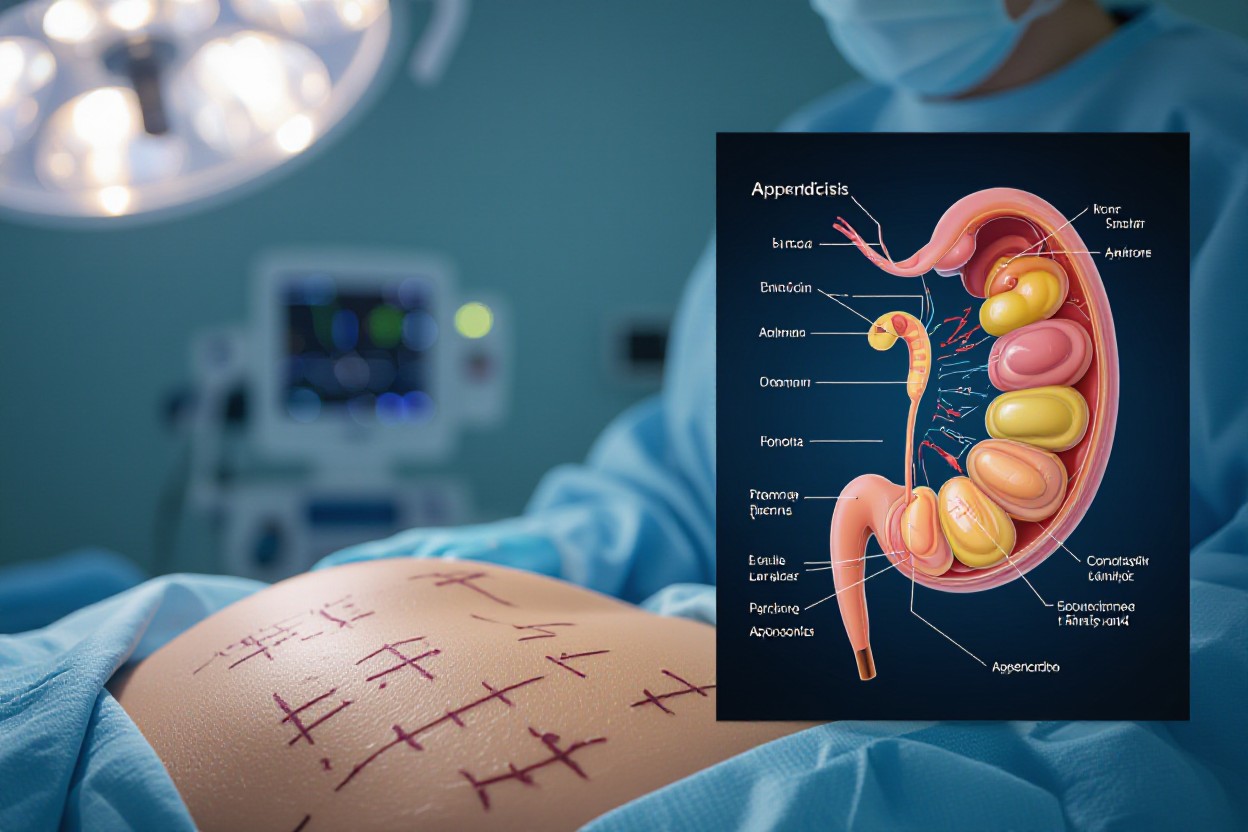
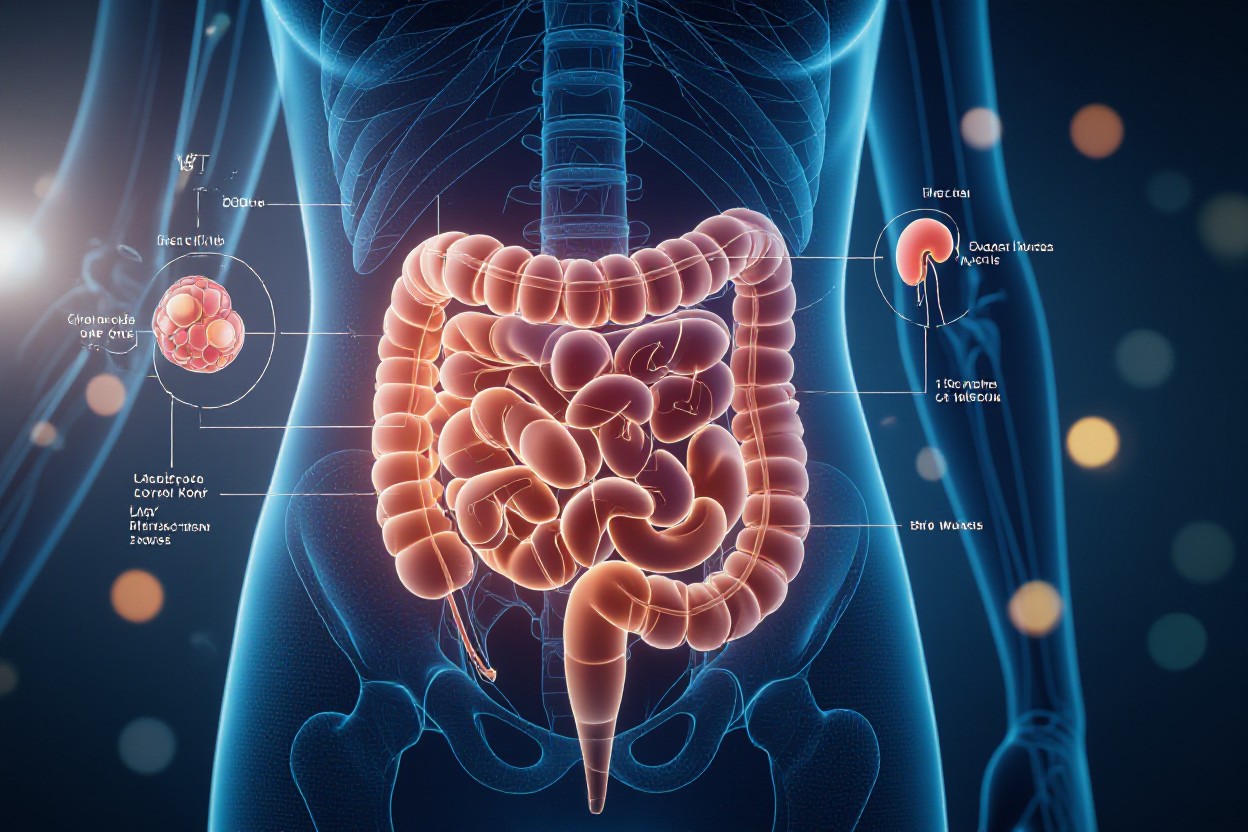
On a basic map of your gut, your appendix lives where your small intestine hands off to your large intestine, usually in the lower right abdomen, a spot doctors call the right iliac fossa. You might just feel vague tummy pain at first, then it often shifts and pins itself to that specific area as irritation spreads, which is why your doctor pokes around there, checking for sharp tenderness, guarding and rebound pain.
The Appendix’s Mystery
For years you were told the appendix is useless, a leftover part you could bin without a second thought, but modern research is poking holes in that idea. It seems to act like a little safe house for good gut bacteria, helping repopulate your intestines after nasty infections or heavy antibiotics. That said, once it turns angry and inflamed, its potential benefits lose the argument completely against the risk of rupture and sepsis.
Dig a bit deeper into this “mystery organ” and you find some wild details: studies suggest the appendix appeared at least 30 separate times in mammal evolution, which is pretty odd for something supposedly pointless, and people with an appendix might have a slightly richer gut microbiome after diarrheal illnesses compared with those who had it removed. You still live perfectly fine without it, of course, but if yours is healthy right now, it may quietly support your immune system by exposing gut bacteria to lymphoid tissue and helping train your defenses, a kind of behind-the-scenes bodyguard you never thank until it starts screaming for attention.
What’s the Deal with Appendicitis?
When your appendix turns on you, it does it fast, which is why you can’t just shrug off sharp new belly pain and hope for the best. Appendicitis happens when that little pouch gets blocked, infected, and starts to swell. The scary part is how quickly it can go from annoying to life threatening if it bursts and spills bacteria into your belly. Spotting that shift early is what keeps you out of the operating room at 2 a.m. with a surgeon saying “we just got to you in time”.
The Basics – What’s Your Appendix Up To?
Even though it feels like a useless leftover part, your appendix actually sits quietly on the lower right side of your belly, hanging off your large intestine like a tiny finger-shaped pouch. Some research suggests it might help your immune system, kind of like a backup storage for good gut bacteria. You don’t need it to survive, though, which is why surgeons can remove it without wrecking your digestion. What you really care about is when that quiet little pocket gets angry and starts causing serious pain.
Why Does It Get Inflamed Anyway?
When the narrow opening of your appendix gets blocked, things go downhill fast, because trapped mucus and bacteria start building pressure like a tiny overfilled balloon. That blockage might be from hardened stool, swollen lymph tissue after a viral infection, or even a parasite in rare cases. As bacteria multiply, the wall of the appendix swells, blood flow drops, and tissue starts to die, which is when the risk of a dangerous rupture jumps way up. You basically go from “huh, my stomach feels weird” to “I need a hospital now” in a matter of hours.
On a deeper level, what your body’s doing is mounting a full-blown immune response against that trapped bacteria party inside the appendix. Lab studies show that within about 12 to 24 hours of blockage, white blood cells flood the area, pus forms, and pressure inside the appendix can climb high enough to literally split the wall. In kids and young adults, that process can be even faster because their immune systems hit hard and inflammation ramps up quickly, which is why delaying care more than 24 to 48 hours seriously increases the odds of perforation and infection spreading through your whole abdomen. So when pain shifts to the lower right side and walking or coughing makes it worse, that’s your sign this isn’t just random gas acting up.

So, How Do You Know If It’s Appendicitis?
With all the recent TikTok health stories about “mystery stomach pain,” it’s no wonder people Google appendicitis at 2 a.m. You basically have to play detective with your own body: pain that shifts to the lower right side, gets worse when you move, and refuses to chill out is a big red flag. Pair that with nausea, loss of appetite, or a low fever and you’re not being dramatic for worrying – you’re being smart.
Common Signs to Watch For
Most people describe it starting as a vague ache around your belly button that later settles into the lower right side of your abdomen and keeps getting sharper. You might not want to eat, feel nauseous, or even throw up, and simple stuff like walking, coughing, or riding in a car over bumps can make the pain spike. A mild fever, bloating, or constipation/diarrhea can tag along too, which is why persistent, one-sided pain plus these extras should push you to get checked.
Not-So-Common Symptoms That Might Surprise You
Plenty of people on Reddit appendicitis threads say their pain was way off to the side, super low in the pelvis, or even up near the ribs, which totally threw them off. You might just feel awful and wiped out, have weird urinary symptoms, or only mild stomach discomfort that doesn’t match the “classic” story, especially if your appendix sits in an odd spot. That’s why any escalating abdominal pain with nausea or fever, even if it’s not textbook, deserves real medical attention.
Some case reports show teens and young adults showing up with what looks like a stubborn UTI – burning when you pee, pelvic pressure, urgent bathroom trips – and it turns out the inflamed appendix is tucked close to the bladder. In older adults, you might simply feel tired, a bit off your food, with vague lower abdominal pain that seems “too mild” for a big problem, which is exactly how serious infections get missed. Pregnant people can have appendicitis pain higher up because the uterus pushes the appendix out of its usual corner, so the ache feels more like upper-right discomfort than the classic lower-right jab. So if your pain keeps shifting, you feel steadily worse over 6-24 hours, or you’ve got a mix of nausea, low fever, and just that gut feeling something’s not right, that constellation is your signal to stop guessing and get a doctor to lay eyes on you fast.
How Do You Know If You’ve Got Appendicitis?
Pain that starts vague around your belly button then slides over to the lower right side and gets sharper by the hour should make your internal alarm go off, especially if every bump in the road hurts, you feel nauseous, you lose your appetite fast, or you spike a fever around 100-101°F, and if that pain suddenly eases after being really bad, that can actually be a red flag for a burst appendix, so you’ll want to get checked, and you can dive deeper into Appendicitis: Signs, Symptoms and Treatment for more detail.
Common Signs That Might Make You Sweat
Early on, you might just feel this annoying, hard-to-pin-down ache in the middle of your belly that slowly creeps to the lower right, and suddenly walking fast, coughing, or laughing makes it worse, plus you can feel weirdly bloated, kind of nauseous, maybe throw up once or twice, your appetite tanks, you get a low-grade fever, and if pressing gently on that lower right spot then letting go makes you wince more on release, that’s a big warning sign.
Serious Symptoms You Can’t Ignore
Things get scary when that pain flips from “OK this sucks” to “I can’t move without wanting to scream”, especially if your fever climbs higher, your heart’s racing, you feel weak or dizzy, or your belly goes rock-hard and super tender to even the lightest touch, and if the pain suddenly fades after peaking, that can actually mean the appendix ruptured, which turns into a medical emergency really fast.
In real life, people with a ruptured appendix often describe a very specific pattern: 12-24 hours of steadily worsening right-sided pain, a fever around 101°F, then this weird, fake relief when the pain eases up… followed by spreading, burning pain across the whole abdomen, sometimes with chills, fast breathing, and feeling like you might pass out, and at that point the risk of life-threatening infection inside your belly shoots up, so if you ever hit that combo of intense pain, higher fever, and a hard, swollen belly, you don’t wait it out, you go to the ER, even if it’s 3 a.m. and you’re in your pajamas.
What’s the Right Move When You Suspect Appendicitis?
About 1 in 15 people will get appendicitis in their lifetime, so if your pain suddenly shifts to the lower right side and you feel nauseous or lose your appetite, you don’t sit on it, you act. You contact a doctor or urgent care fast, because a burst appendix can become life-threatening within hours. For a deeper look into red flags and treatment options, you can skim Appendicitis – symptoms, treatments and causes while you arrange medical help.
Should You Head to the ER?
When pain ramps up over a few hours, locks into the lower right side, and every step or cough hurts, you go to the ER, no second guessing. Add fever over 38°C, repeated vomiting, or a rock-hard belly and you’re looking at possible emergency surgery territory. Even if it ends up being gas or a stomach bug, doctors would much rather send you home than see you after your appendix has already perforated.
What to Expect at the Hospital
Within the first 30 to 60 minutes at the hospital, you’ll usually get triaged, have your vitals checked, then a doctor presses on your abdomen to see exactly where it hurts and how badly. Blood tests, urine tests, and an ultrasound or CT scan help them confirm if that angry little tube is actually inflamed, and if it is, surgery often happens within a few hours. Pain relief, IV antibiotics, and a lot of questions about your symptoms come in quick succession, so you just focus on giving clear answers and let the team do the detailed thinking.
In a bit more detail, you’re likely to start with blood tests looking for a raised white cell count, because that hints at infection, while a urine test rules out things like a UTI or kidney stone that can mimic appendicitis. Imaging is the big decider: kids and pregnant patients often get an ultrasound first, adults might go straight to a CT since it spots a swollen appendix in over 90% of cases. If the scan and exam line up, a surgeon explains your options – usually a laparoscopic removal through 3 tiny cuts, sometimes an open surgery if things look messy or ruptured. After that, you wake up in recovery with pain meds on board, a drip in your arm, and nurses checking your breathing, blood pressure, and how quickly you can sip water, stand up, then head home over the next 1 to 3 days depending on how angry that appendix was.
My Take on Diagnosing Appendicitis – What You Should Know
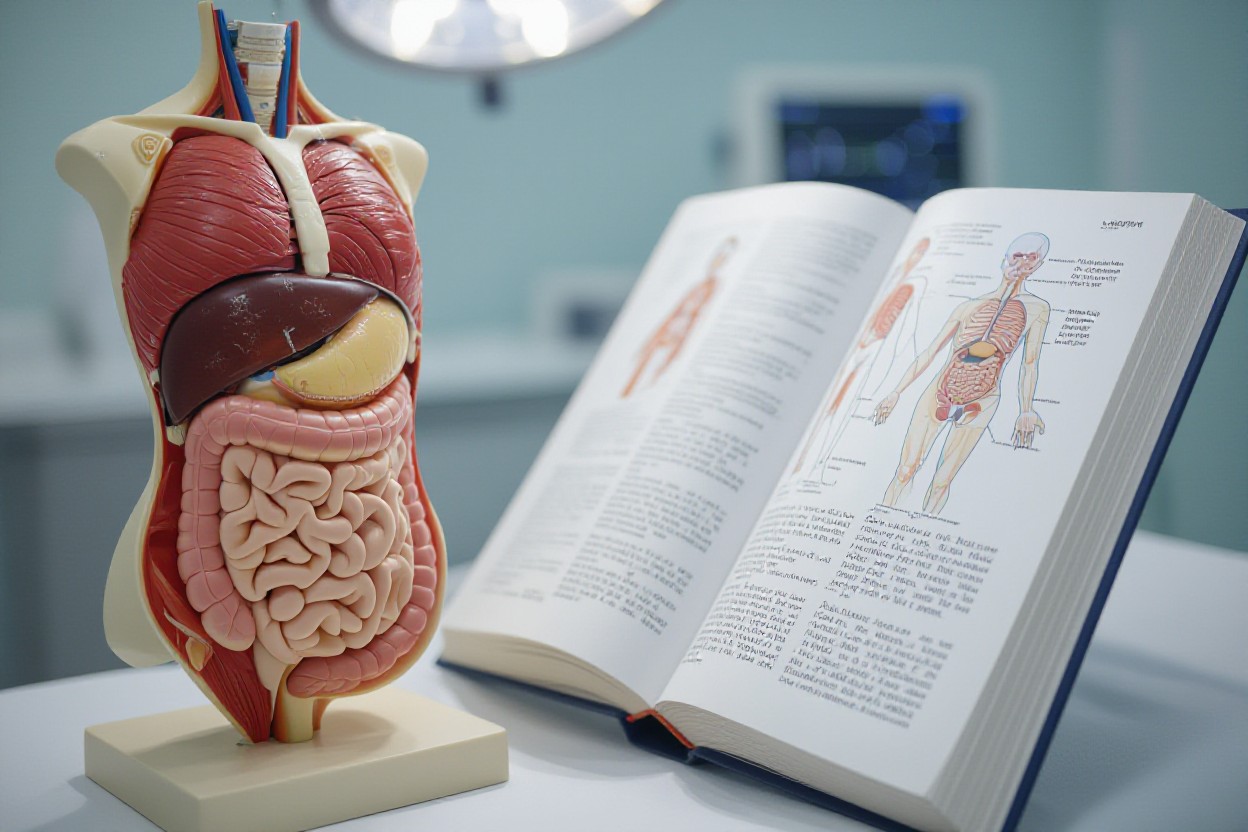
In real life, appendicitis rarely looks textbook-perfect, which is why you can’t just rely on one symptom or a TikTok clip. You watch the pattern: pain that shifts to the lower right, nausea that doesn’t ease up, walking hunched over because standing straight hurts. Pair that with a low-grade fever and loss of appetite and your radar should go off. Skim resources like Understanding appendix pain: causes, symptoms, and …, but if the pain is worsening and focused on the right side, you get checked, not crowdsourced.
Tests and Procedures – What to Expect
In the ER, you’re usually looking at a mix of bloodwork, a urine test, and some kind of imaging, often an ultrasound first, then a CT if things are murky. Docs check your white blood cell count, poke around your belly to see where you jump, sometimes use scoring systems like the Alvarado score to decide the next step. Most imaging takes under 30 minutes, and the whole workup might run 2-4 hours, so if your pain is steadily getting worse while they test you, you speak up.
When to Rush to the Doctor
When your pain suddenly upgrades from “this is annoying” to “I can’t stand up straight without swearing,” you stop waiting and go. If that right-lower-belly pain combines with vomiting, a fever over about 100.4°F (38°C), or pain that spikes when you hit a bump in the car, you head in the same day, not tomorrow. And if the pain was bad then suddenly goes weirdly quiet while you feel way sicker, sweaty, dizzy, or like you might pass out, you treat that like an emergency.
Think of it this way: mild, vague belly pain that comes and goes can usually be watched at home for a few hours, but sharp, constant pain that locks into the right lower side and keeps building is your cue to move. You don’t wait for every “classic” symptom to line up in a neat list – plenty of people, especially kids and pregnant women, show up with weird patterns. Any combo of right-sided pain, repeated vomiting, feeling too wiped to move, or pain that wakes you from sleep is enough to justify an urgent visit. And if you get that sudden pain-then-relief pattern with feeling acutely unwell or short of breath, you’re not overreacting by calling 911.
My Take on Appendicitis Treatments
Appendicitis treatment is one of those things where timing can save your life or wreck your week, so you want to know your options, not just nod along in the ER. You’ll see everything from rapid-fire surgery to watchful waiting, and reading reliable sources like Appendicitis – Symptoms and causes helps you push back if something feels off. Because when your pain is at a 9 out of 10, you’re not in the mood for vague answers or guesswork.
Surgery – Is It Always Necessary?
You’re probably told surgery is the only way out, but that’s not the whole story anymore. Some hospitals now use IV antibiotics for mild, early appendicitis and about 60-70% of people avoid surgery in the first year, though a chunk of them land back with recurring pain. You’ve got to weigh that risk against a quick laparoscopic appendectomy that usually has you home in 24 hours, tiny scars and all, instead of a ticking time bomb in your gut.
What Happens After Surgery?
Your life doesn’t stop after an appendectomy, but it does slow down for a bit. Most people walk the same day, drive in about a week, and get back to normal workouts in 3-4 weeks if everything heals smoothly. You’ll probably feel bloated from the gas they use during laparoscopy, your shoulders may hurt, and your core will complain if you try to sit up too fast.
What nobody really tells you is how much your energy dips – you might feel wiped out after a short grocery run, and that’s totally normal for a couple of weeks. You’ll watch your incisions like a hawk for redness, pus, or a fever, because infection or a sudden spike in pain on day 4-7 can signal a leak or abscess, and that’s an ER trip, not a “wait and see” situation. So you ease back into lifting, you test your limits with stairs, you cough or laugh and suddenly realize your abs are very involved in everything you do. Then, almost out of nowhere, you notice you slept through the night, didn’t clutch your side getting out of bed, and your brain quietly goes, “ok, we’re actually healing now.”
What Happens If It’s Not Appendicitis?
You drag yourself into urgent care convinced your appendix is about to burst… then the scan comes back normal. That doesn’t mean you imagined the pain. It might be ovarian torsion, kidney stones, gallbladder trouble, Crohn’s flare, or even a pulled abdominal muscle. Some of those can still land you in surgery, others need meds or close follow-up, and a few just need time. The key is you don’t just shrug it off because it wasn’t appendicitis.
Other Possibilities That Can Fool You
Right-sided pain that feels exactly like appendicitis can actually be ovarian cysts, ectopic pregnancy, kidney stones, diverticulitis, or a bad GI infection. In one ER study, up to 30% of suspected appendicitis cases turned out to be something else entirely. You might get similar nausea, rebound pain, low fever, even that “it hurts more when I move” thing, which is why doctors lean on bloodwork and imaging instead of guessing.
Why It’s Important to Get Checked Out
Sharp right-sided pain that wakes you up at night and keeps getting worse is your body throwing up a big red flag, even if it’s not your appendix. Conditions like ovarian torsion, ectopic pregnancy, perforated ulcer, or a twisted intestine can all cause permanent damage in a few hours if you wait it out at home. Quick labs and a CT or ultrasound can literally be the difference between going home with meds and ending up in emergency surgery.
In real life, this plays out fast: you might start your day with “eh, it’s probably gas” and by dinner you’re in an OR. ER studies show that people who wait more than 24 hours with severe abdominal pain have a higher risk of complications like internal bleeding, infection, or loss of an ovary or section of bowel. That’s why doctors are pretty aggressive about imaging and consults for this stuff. You’re not bothering anyone by getting checked; you’re giving yourself a better shot at a simple fix instead of a life-altering complication.
Could You Be Misdiagnosing Yourself?
Ever catch yourself scrolling symptoms at 1 a.m., convinced you’ve cracked your own diagnosis? With appendicitis, that DIY approach can backfire fast, because early pain, mild nausea, or bloating can look a lot like food poisoning or a bad gym day. You might underplay a rapidly progressing infection, or freak out over gas pain that settles in a few hours. When pain gets sharper, localizes to the right lower side, or you spike a fever, that’s when self-diagnosing stops being quirky and starts being dangerous.
When It’s Not Appendicitis – Other Culprits
You’d be surprised how many “appendicitis scares” turn out to be other stuff entirely. For you, that right-sided pain could be ovarian cysts, kidney stones, IBS, constipation, gallbladder issues, or even a pulled abdominal muscle. In women, ectopic pregnancy sometimes gets mistaken for appendicitis, which is a huge deal. And sometimes it’s just viral gastroenteritis bossing your gut around for 24-48 hours before backing off.
Should You Get a Second Opinion?
Ever walk out of an appointment thinking, “That just doesn’t add up for what I’m feeling”? That’s your sign to consider a second opinion, especially if your pain is getting worse, sharper, or more localized on the right side but you were told it’s “probably nothing serious.” You’re not being dramatic by double-checking – in one study, up to 15% of appendicitis cases were initially misdiagnosed as simple stomach bugs or urinary infections.
Second opinions aren’t about disrespecting the first doctor, they’re about protecting your body when something still feels off. You can ask for a fresh set of eyes in an urgent care, a different ER, or with your regular primary care doc if you’ve only been triaged quickly before. It’s completely fair to say, “My pain has changed, it’s now mostly on the right side, and I’m scared this could be appendicitis – can we recheck with labs or imaging?”
Seriously, Appendicitis Can Be Serious!
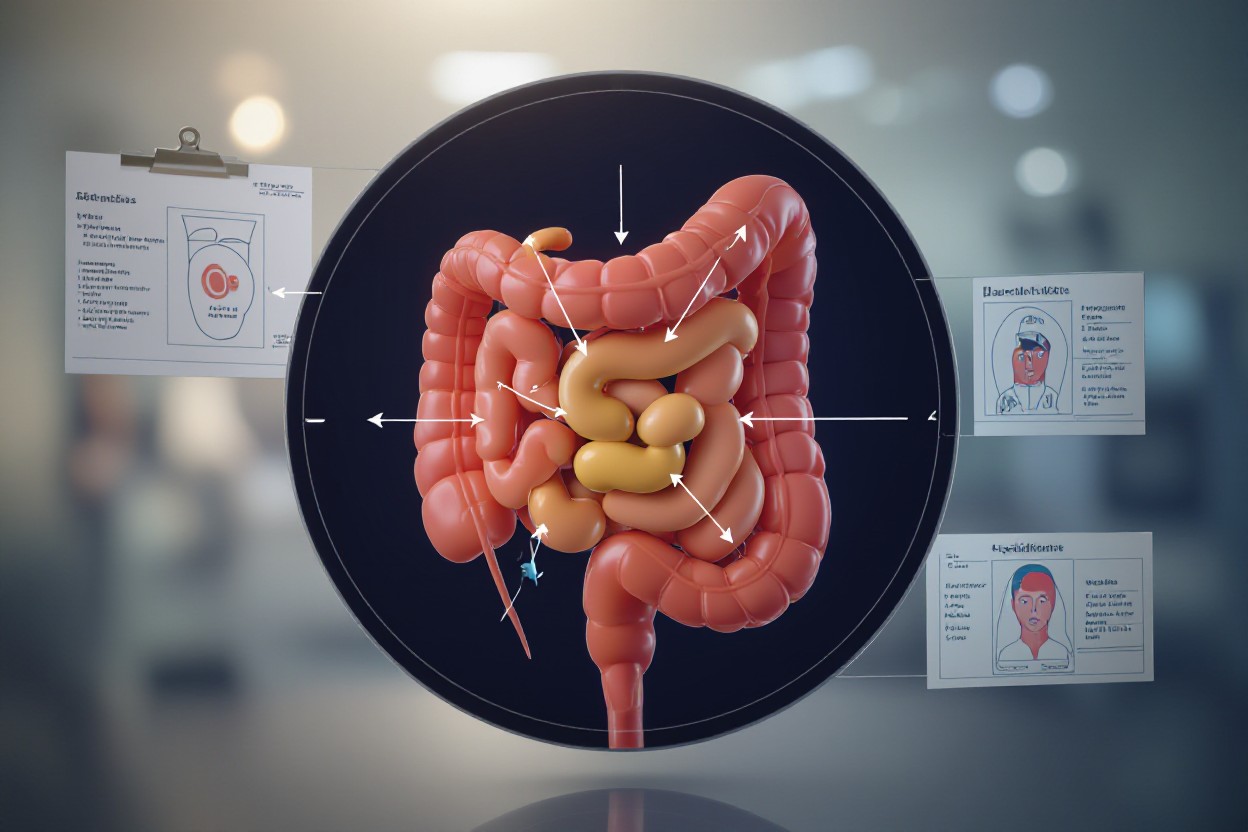
With more people posting “I thought it was just gas” stories on Reddit, it’s pretty wild how often appendicitis gets brushed off as nothing. You can go from mild pain to a medical emergency in under 24 hours, and once that appendix bursts, your risk of infection skyrockets. Hospitals see over 250,000 appendectomies a year in the U.S., and a big chunk of those are already complicated by delays, so yeah, this little organ can cause big trouble fast.
Risks and Complications to Keep in Mind
When you let appendicitis simmer, you open the door to some nasty stuff like perforation (a literal hole in your appendix), abscesses, and full-on peritonitis where infection spreads across your belly. That can mean sepsis, ICU stays, longer recovery, and sometimes drains or repeat procedures. Even with good care, a ruptured appendix can bump complication rates up to 20 to 30%, compared to a much smoother ride if you get treated early.
The Importance of Timely Treatment
Doctors like to quote that classic 24 to 48 hour window from symptom onset, and they’re not just being dramatic – once you cross that line, your odds of rupture jump from under 10% to more than 20%. Early treatment usually means a shorter hospital stay, fewer meds, and way less pain in your day-to-day life afterward. When you act fast, you stack the odds in favor of a simple laparoscopic surgery instead of a messy, complicated recovery.
In real-world terms, that means if your pain started yesterday morning and it’s sharper, more focused in the lower right, and you’re feeling nauseous or running a fever, you shouldn’t “sleep on it” for another day. Delayed cases often show up in ER stats with longer surgeries, higher infection rates, and more time off work or school, while early cases are in and out in 24 to 48 hours. So when doctors push for a scan or bloodwork sooner rather than later, it’s because every hour cuts your risk of rupture, extra scars, and long-term issues like bowel obstruction or chronic pain.
The Importance of Acting Fast
Picture this: your pain shifts to the lower right, you feel nauseous, maybe you’ve got a low fever, but you still debate whether it’s “ER-worthy” or not. In the world of appendicitis, that back-and-forth can cost you big time, because the appendix can go from irritated to ruptured in as little as 24-72 hours. Acting fast doesn’t mean panicking, it means treating new, sharp, one-sided abdominal pain like something that deserves real medical eyes on it, not just another Google search.
Why Timing Is Everything
In practical terms, every hour you wait gives infection more time to spread, so early in the game your appendix might be removed with a quick laparoscopic surgery and you’re home in a day or two. Let it ride, though, and your risk of perforation jumps to around 20% after 48 hours, which means longer hospital stays, IV antibiotics, and way more pain than you bargained for. Quick action can literally be the difference between a “minor surgery story” and a full-on medical nightmare.
What Happens If You Wait Too Long?
Once that inflamed appendix finally gives out and ruptures, infection can spill through your abdomen, leading to peritonitis or a serious abscess that’s way harder to treat than simple appendicitis caught early. Suddenly you’re not just talking about a 30-minute surgery, you’re looking at drains, multiple scans, and possibly days in the hospital hooked up to IV meds. Delays can also mean a higher chance of sepsis, especially if you’ve got other health issues riding in the background.
So if you try to tough it out with right-sided pain, hoping it’s just “something you ate,” that’s where things can snowball fast, because a ruptured appendix doesn’t politely stay in one spot. Infection can spread across your whole abdominal cavity, your white blood cell count shoots up, your heart rate climbs, and suddenly doctors are treating a life-threatening infection, not just a grumpy little organ. You might need a CT-guided drain for an abscess, several days of IV antibiotics, then a delayed surgery later on once things cool down, which means more time off work, higher bills, and a much more exhausting recovery than if you’d gone in when that pain first got real.
The Real Deal About Recovery – What to Expect
Ever wonder what the next few weeks actually look like after your appendix comes out? You’ll probably stay in the hospital 1-3 days, then spend about 2-4 weeks easing back into normal life, longer if it was ruptured appendicitis. Pain usually improves fast, but fatigue can linger, and your gut may feel weird for a bit. You’ll need to watch for infection signs like fever or oozing at the incision, and avoid heavy lifting so your incisions heal safely.
Post-Surgery Life and Healing
Have you ever noticed nobody tells you how weird your body feels after surgery until you’re in it? The first few days, you’ll shuffle around, guard your belly, and every cough feels like a mini workout, especially after a laparoscopic appendectomy. Most people get back to desk work in about 1-2 weeks, sports in 3-4, but heavy lifting waits closer to 6 weeks so your abdominal muscles and stitches don’t complain. Perceiving that slow, steady progress counts more than forcing a fast “bounce back” keeps you safer.
Tips for a Smooth Recovery
Ever catch yourself thinking, “Okay, I survived surgery… now what do I actually do at home?” Small things make a huge difference: walking a few minutes every couple of hours cuts your blood clot risk, keeping your incision clean lowers your chance of wound infection, and staying ahead of pain meds helps you breathe and move better. Most surgeons say no heavy lifting over 10-15 pounds for a few weeks so your healing tissue doesn’t tear. Perceiving your body’s limits instead of powering through every twinge saves you from a painful setback.
- gentle walking
- pain management
- wound care
- infection signs
- activity limits
Ever wish someone would just spell out what actually helps you heal faster instead of tossing you a generic discharge sheet? Start with simple movement: short walks several times a day keep your lungs clear, reduce gas pain from the CO₂ they used in laparoscopic surgery, and lower clot risk. Use pain meds on schedule for the first few days so you can breathe deeply, cough, and get out of bed without bracing in agony, because shallow breathing can lead to pneumonia.
Your incision care should be boring – that’s a good sign. Keep it clean and dry, skip soaking baths till your surgeon says yes, and watch for redness growing outward, thick yellow drainage, or a fever over 100.4°F, since those are classic infection red flags. Food-wise, many people do best easing in with lighter meals, extra fluids, and fiber to fight off the constipation that pain meds love to cause. Perceiving that “feeling better” is not the same as “fully healed” will keep you from lifting too early and turning a clean recovery into a hernia story.
- early mobility
- incision care
- hydration and fiber
- pain control plan
- follow-up checkups
To wrap up
As a reminder, spotting appendix trouble early can literally change how your whole week – or life – plays out. If that nagging pain drifts to the lower right side, ramps up when you move, and tags along with nausea or fever, you don’t just wait it out or Google it to death… you get checked. You know your body better than anyone, so if something feels off and keeps getting worse, trust that instinct and seek urgent care fast, because with appendicitis, timing really is everything.
Conclusion
Summing up a lot of folks think appendicitis is just generic belly pain, but you now know it’s usually that sharp, nagging ache on the lower right side that gets worse when you move, cough, or even breathe deep. You also know nausea, loss of appetite, and fever can tag along, which is why you shouldn’t just shrug it off as a random stomach bug.
If your pain shifts, ramps up fast, or just feels “off” in a way you can’t shake, you get it checked – no waiting it out. Your job isn’t to self-diagnose, it’s to listen to your body and act fast when those warning signs pop up.
FAQ
Q: What side is your appendix on and where exactly is it located?
A: Your appendix sits on the right side of your lower abdomen, in a little area doctors call the right lower quadrant. Picture a line from your belly button down to your right hip bone – the appendix usually hangs out near the bottom of that line.
A: It’s a small, finger-like pouch attached to the first part of your large intestine. Most people feel classic appendicitis pain around that lower-right spot, but early on the pain can start closer to the belly button and then move to the right side over several hours.
Q: How do early signs of appendicitis usually feel?
A: In the beginning, appendicitis often feels like a vague, dull ache near your belly button, not a sharp stabbing pain right away. People sometimes mistake it for gas, a mild stomach bug, or something they ate.
A: As the inflammation ramps up, the pain usually shifts toward the lower right side and gets sharper, especially when you move, cough, or take a deep breath. A lot of folks also feel just “off” – low appetite, maybe some nausea, sometimes a low-grade fever creeping in.
Q: What are the classic symptoms that make doctors suspect appendicitis?
A: The classic combo is right lower belly pain that gets worse over time, plus loss of appetite, nausea or vomiting, and mild fever. The pain tends to be steady and often gets worse when you walk, cough, or when someone presses on that area then lets go quickly.
A: Another big clue is that the pain usually does not fully go away, it just keeps nagging or steadily intensifying. If your pain started more toward the middle of your abdomen and then moved to the right side within 12-24 hours, that pattern really raises suspicion.
Q: Can appendicitis pain be on the left side or in a weird spot?
A: Most of the time, no, it sticks to the right lower side, but there are exceptions that can throw people off. If your appendix is in an unusual position, you might feel pain higher up, in your back, or even more toward the middle.
A: Very rarely, people with a condition called situs inversus (organs reversed left-to-right) can actually feel appendicitis pain on the left side. That’s extremely uncommon though, so left-sided pain is usually from something else, but it still deserves medical attention if it’s severe or persistent.
Q: How can I tell if it’s gas or stomach cramps instead of appendicitis?
A: Regular gas or minor cramps often come and go, shift around a bit, and might improve after you pass gas, use the bathroom, or change position. Appendicitis pain usually gets more focused over time and doesn’t really let up with those tricks.
A: If you can still move pretty freely, twist, jump a little, or press gently on your belly without a big spike in pain, that leans more toward something mild. But if walking, riding in a car over bumps, or even stepping down from a curb sends a sharp jolt to the right lower side, that’s a big red flag.
Q: What should I do at home if I suspect appendicitis?
A: The safest move is to stop guessing and get checked, especially if the pain is on the right lower side and getting worse over a few hours. Appendicitis is one of those things where waiting it out can seriously backfire if the appendix bursts.
A: At home, avoid taking strong painkillers, avoid heating pads on your belly, and skip food and drink if you think you might need surgery soon. Call your doctor, urgent care, or head to an ER so they can examine you and, if needed, do blood tests and an ultrasound or CT scan.
Q: When is appendicitis an emergency that needs immediate care?
A: It turns into an emergency when the pain is severe, constant, or suddenly gets much worse, especially with fever, chills, or you feel really unwell. A burst appendix can lead to a widespread infection in your abdomen, which is a life-threatening situation.
A: Get emergency help right away if you have sharp right-sided abdominal pain plus vomiting that won’t stop, high fever, a rigid or very tender belly, or pain so bad you can’t stand up straight. In this situation, waiting overnight or trying to sleep it off is not worth the risk.


Leave a comment