

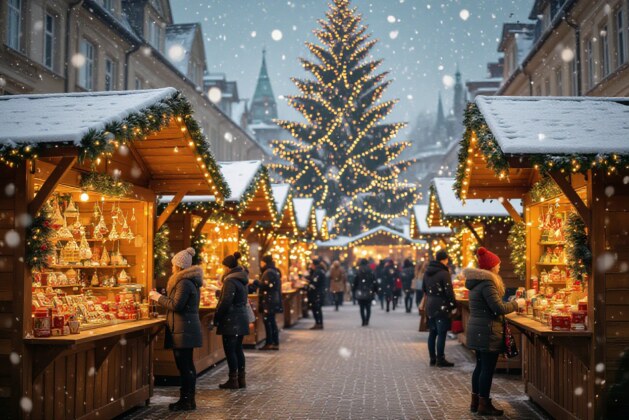
So, When Exactly Is Christmas?
You probably think Christmas is just December 25 and that’s that, but historically it hasn’t been that tidy at all. Different Christian traditions mark up to three different days as the main celebration, and some even count the whole 12 days as “Christmas time” in a very literal way. When you zoom out a bit, you see that what you call Christmas Day is really just one focal point in a longer, very layered season of feasts, vigils and quirky local customs.
A Look at December 25
You might be surprised that December 25 didn’t become widely standard in the Western church until the 4th century, long after Jesus’ lifetime. Some historians connect it with the Roman festival of Sol Invictus on December 25, others argue it grew from early Christian calculations linking Jesus’ conception to March 25. Either way, you’re dealing with a date that’s theologically loaded, culturally borrowed, and then wrapped in your modern routines like presents, stockings, midnight services and all-night movie marathons.
Why the Date Matters
You actually shape your whole winter around this one square on the calendar, even if you don’t think of yourself as very religious. When Christmas lands on a Monday, your long weekend feels different than when it hits a Wednesday and slices the workweek in half. Retailers load about 20 to 30 percent of their annual sales into the weeks before that single day, schools plan exams around it, and families negotiate travel costs that can double just because everyone wants to land on the same date. That one day quietly pulls a lot of strings.
Once you start pulling on that thread, the date stops feeling random and starts looking strategic. Governments literally write laws around Christmas, like public holiday rules or trading-hour restrictions, which means your pay cycle, your overtime, even your flight prices are all reacting to December 25 in real time. And when churches debate whether to follow the Gregorian or Julian calendar, you get situations where Orthodox Christians are celebrating on January 7 while your tree’s already on the curb.
In your own life, that fixed date becomes a kind of emotional yardstick. You measure “last Christmas” against this one – who was there, who wasn’t, how much you spent, what went wrong and what felt beautiful enough to hang on to. Traditions like midnight Mass, Nochebuena dinners on the 24th, or opening one gift at 12:01 all orbit the official date but stretch it, bend it, make it yours.
That’s why shifting the date, even hypothetically, feels like touching a live wire.
The Festive Origins of Christmas
Instead of popping up out of nowhere, your Christmas traditions grew out of a wild mix of winter festivals, religious symbolism, and plain old human need for light in the dark. You get Saturnalia’s parties from ancient Rome, Yule’s evergreen trees from Germanic tribes, and Christian stories layered on top, all colliding into what you now call Christmas. It’s basically a cultural remix that never stopped evolving.
What’s the Deal with Christmas Traditions?
Some of the stuff you do at Christmas feels totally normal, right up until you ask yourself why you’re dragging a tree into your living room. You hang lights because people once lit candles to push back the longest nights, you swap gifts like Romans did during Saturnalia, and you gather for big meals because sharing food has always screamed “we made it through another year”. Your modern rituals are ancient survival habits in a sparkly outfit.
Ancient Influences on Our Modern Celebrations
Many of the things you call “classic Christmas” would look oddly familiar to people from 2,000 years ago, even if they’d side-eye your ugly sweaters. You can trace midwinter feasts to Saturnalia in Rome, evergreen branches to Norse Yule, and even the date around December 25 to older sun-related festivals like Sol Invictus. Your holiday calendar is basically ancient astronomy mixed with theology and tradition.
If you zoom in a bit more, you see how specific details sneak into your celebrations and quietly stay put. In northern Europe, people burned Yule logs to honor gods like Odin and to keep away evil through the darkest nights, and now you watch digital “Yule log” fires on TV like it’s the most normal thing in the world. Roman Saturnalia flipped social roles, with masters serving slaves and wild gift-giving, which is weirdly echoed every time you stress over office Secret Santa or voluntary “gift limits” that nobody follows.
Because ancient people tracked the solstice like their lives depended on it, your calendar locked onto late December for more than just symbolic reasons, it literally marked the sun starting to climb back. Early Christians likely placed Jesus’ birth around existing festivals so converts wouldn’t have to abandon their beloved winter parties completely, they just re-framed the meaning. And if you’ve ever wondered why you sing carols in the cold, you can link that back to older practices of going door to door with songs, blessings, or even demands for food, which sounds a lot like wassailing long before Spotify playlists existed.
My Take on the Global Christmas Scene
What really hits you when you zoom out on Christmas worldwide is how it turns into a kind of cultural mirror, showing you what each place cares about most. You see midnight church bells in Madrid, KFC buckets in Tokyo, fireworks over Rio, and candlelit windows in Sweden, and suddenly your own traditions feel both tiny and massive at the same time. It nudges you to ask what you actually value: is it faith, food, family, or just that once-a-year permission to slow down and breathe.
How Different Cultures Celebrate
In your Christmas toolbox, you’ve got everything from December 24 feasts in Poland with 12 meat-free dishes, to January 7 liturgies in Orthodox countries, to beach barbecues on December 25 in Australia where it’s 30°C and sunny. You might hang stockings, while kids in Spain wait for the Three Kings, and in the Philippines you’ve got Simbang Gabi, nine dawn masses in a row, which is no joke if you actually go to all of them.
What Makes Each Celebration Unique
What hooks you about each Christmas tradition isn’t just the date, it’s the little details you’d totally miss if you stayed in your own bubble. You’ve got Norwegian families hiding brooms so spirits can’t ride them at night, Czech women tossing shoes to predict their love life, and Mexican kids lining up to break the piñata during Las Posadas. All those tiny rituals quietly tell you what a culture fears, hopes for, and finds joyful.
When you zoom in a bit more, you start spotting patterns that feel oddly personal. In Japan, for example, the whole KFC-on-Christmas thing started as a 1970s marketing campaign, yet now millions of people pre-order fried chicken like it’s sacred, which shows you how fast a “fake” tradition can become emotionally real. In Iceland, those 13 Yule Lads leaving little gifts (or rotten potatoes) in shoes reflect older folk beliefs that never fully disappeared, they just got repackaged for kids. And because you’re probably juggling your own mix of old-school customs and newer habits, like streaming holiday movies on Netflix while your grandma insists on her exact recipe, you can see how living traditions work: they adapt, they borrow from neighbors, they sometimes clash with modern life, but they survive because people keep choosing them, year after year.

Why I Think Christmas Isn’t Just a Day
With those 24-day TikTok advent challenges blowing up, you can see how Christmas traditions now stretch way beyond December 25. You turn a single date into a whole mini-season of small rituals – baking on Sundays, movie nights, messy craft sessions. Instead of chasing one perfect moment, you build a string of tiny, meaningful wins that keep your stress lower and your joy way higher.
The Spirit of the Season
On social feeds right now, you see people starting their “Christmas era” as early as November, and that actually lines up with older Christian practice of a weeks-long Advent build-up. You tap into that by focusing on generosity, hospitality, and slowing down bit by bit, not just in a 24-hour sprint. So you give one thoughtful message a day, share one meal a week, create this steady rhythm that feels way more sustainable than a single explosive holiday.
Making Memories That Last
Family therapists keep pointing out that kids store emotional memories around repeated rituals, not expensive one-off events, which is why your low-key Wednesday hot chocolate can matter more than a 400-dollar gift. You shape long-term nostalgia with tiny consistent signals – the same playlist, the same candle scent, the same slightly-burnt cookies. Those patterns quietly tell your brain “this is home, you’re safe, you belong”, and that feeling sticks for decades.
One really practical way to do this is to build a simple 12-day tradition list: day 1 might be writing two gratitude notes, day 4 baking something imperfect but homemade, day 9 walking your neighborhood just to rate the lights. You anchor these in your calendar, but you keep the rules loose so things stay fun and low-pressure. Because when your kids are 30, they won’t quote prices or guest counts, they’ll talk about the year you all wore mismatched pajamas or the time the power cut out and you ate half-frozen dessert by flashlight, and those “failed” moments often become the most cherished stories of your whole holiday history.
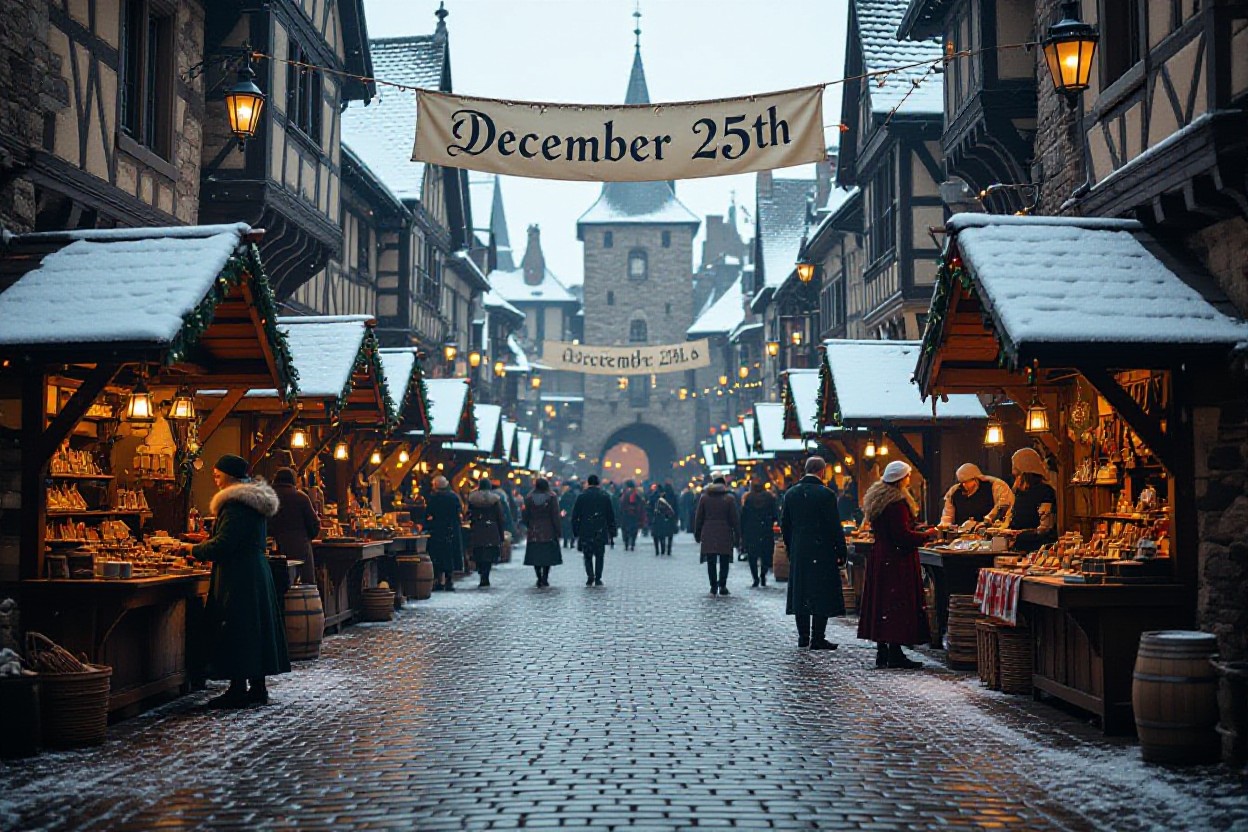
The Real Deal About Christmas in History
When you zoom out a bit, Christmas stops being just one cozy date in December and turns into this wild timeline of shifting beliefs, clever politics, and everyday people trying to make winter feel less bleak. You get emperors in Rome, bishops in North Africa, monks in medieval Europe, and families like yours all quietly reshaping the meaning of 25 December. The date survived plagues, bans, and full-on cultural wars, yet it kept morphing, which is exactly why your modern Christmas looks familiar… but also kinda stitched together.
From Pagan Roots to Christian Celebrations
When you hear that Christmas has “pagan roots,” you’re really hearing about timing and vibe, not a copy-paste holiday. Romans partied at Saturnalia around 17-23 December, then celebrated Sol Invictus on 25 December, so early Christians in the 4th century picked that same date to honor Christ’s birth, giving you a fresh meaning on an already festive day. You get a smart mix of strategy, symbolism, and survival in a hostile empire, rather than some sneaky plot to steal a festival.
Evolution of Christmas Customs
By the time your modern Christmas shows up, it’s already this mashup of old rituals, church traditions, and pop culture hits. Medieval Europeans feasted for 12 days, Puritans in 17th century England actually banned Christmas in 1647, and then Victorians kind of rebooted it with family dinners, carols, and that intensely emotional “home for Christmas” vibe. Toss in 19th century marketing, Coca-Cola’s red-suited Santa in the 1930s, and you’ve basically got the holiday you know, just built layer after layer.
What makes your current Christmas so interesting is how those customs didn’t just appear out of thin air, they got remodeled over centuries like some ongoing home renovation. In the 1800s, German families popularized Christmas trees in Britain and the U.S., while Prince Albert helped make the tree a royal trend in 1848, and suddenly you’re hanging lights on a fir like it’s always been that way. Carols shifted too, going from serious Latin hymns to singable hits like “Silent Night” (1818) and “O Holy Night” (1847), which is why your playlist swings from medieval roots to radio-friendly in a single shuffle.
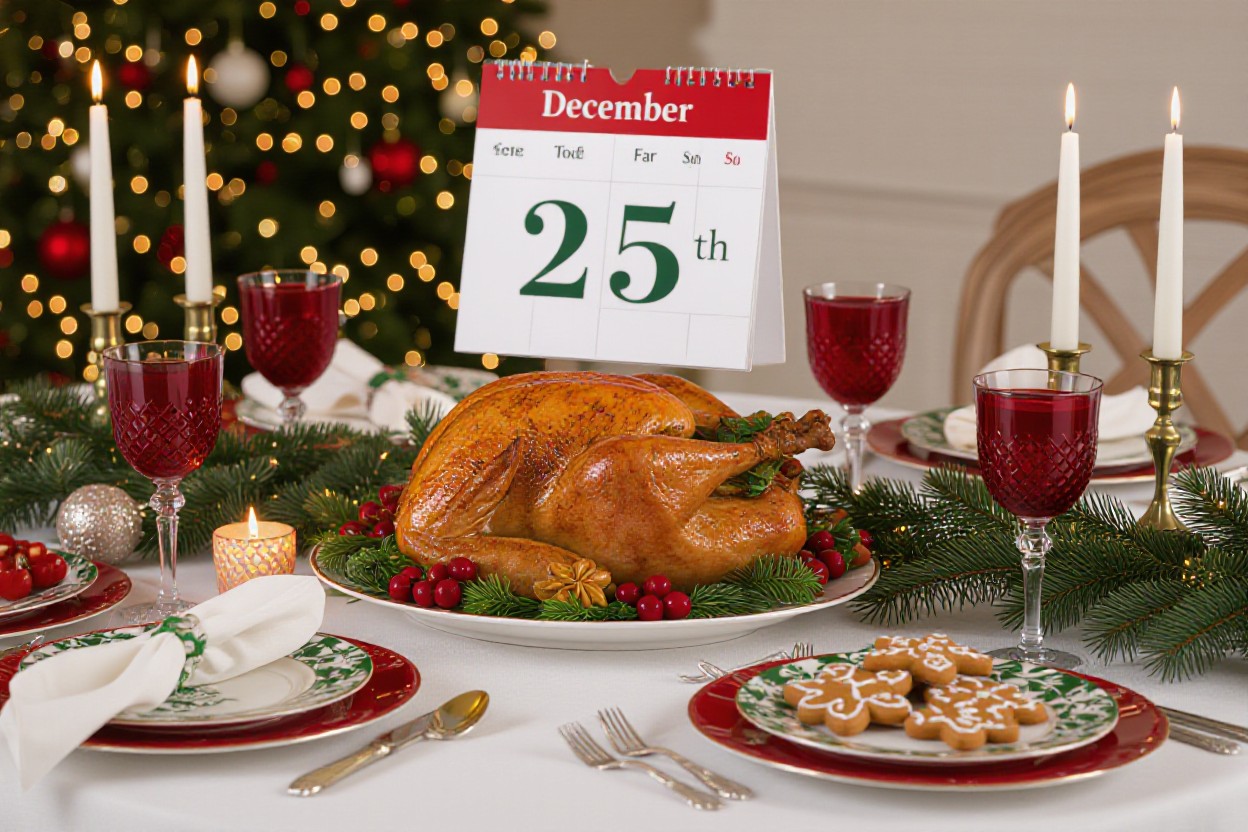
How to Celebrate Christmas Like a Pro
You want Christmas to feel a bit magical, not like another busy weekend that got out of hand, right? When you plan even a tiny bit ahead, you actually enjoy the day instead of racing through it. Focus on three pillars: vibe, food, and gifts. If you can nail those, you’ve basically built yourself a pro-level Christmas without spending a fortune or losing your sanity.
Step 1: Setting the Mood
First thing you want is a vibe that hits you the second you walk in the door. Start simple: warm lighting, one signature scent like cinnamon or pine, and a playlist with a mix of old-school Bing Crosby and newer stuff. You don’t need 500 decorations – pick a color theme, light a few candles, throw on a cozy throw blanket, and suddenly your living room feels like a Christmas movie set.
Step 2: Crafting Your Perfect Menu
Your menu doesn’t have to look like a hotel buffet, it just has to feel intentional. Aim for one star main dish, two to three sides, a simple dessert, and a fun drink, alcoholic or not. Think roast chicken or salmon instead of a huge turkey if you’re hosting under 6 people, then build around it with things that reheat well so you’re not chained to the oven all day.
When you map out your menu, think in categories: something roasted, something fresh, something creamy or carby, and one thing that feels a bit fancy. For example, you might pair a herb-roasted chicken with garlic potatoes, a crunchy salad, and a store-bought cheesecake you plate nicely so it looks like you went all out. Pre-chop veggies the day before, marinate your protein overnight, and choose at least one dish that’s basically hands-off cooking, like a tray of roasted carrots you can slide into the oven. And if cooking isn’t your thing, mix home-cooked with store-bought – nobody cares if the bread rolls came from a bakery when the overall spread feels thoughtful and tasty.
Step 3: Finding the Right Gifts
Gift-giving feels way easier when you stop chasing “impressive” and go for ridiculously specific. Think in three lanes: something they’ll use weekly, something they’ll enjoy immediately, and something that feels personal, like a handwritten note or inside-joke item. Even a $15 coffee mug + their favorite beans beats a random expensive gadget they’ll never touch.
When you’re stuck, stalk their habits, not their wish lists. If they always have a water bottle nearby, upgrade it to an insulated one that keeps drinks cold for 24 hours, if they read on the train, grab a bestseller plus a cute bookmark, if they love hosting, build a tiny “party kit” with napkins, a nice dip bowl, and a small bottle of hot sauce or spices. Set a hard budget per person, like $30, and use it creatively, maybe you do a themed bundle instead of one big thing.
Thoughtful gifts are basically you saying, in object form, “I actually pay attention to you”, and that’s what makes them feel like a pro-level gifter, regardless of price.
FAQ
Q: So, when is Christmas actually celebrated each year?
A: Most people will say “December 25, obviously,” and yeah, that’s the standard date in a lot of the world, but it isn’t the only one. In most Western Christian traditions, Christmas Day is on December 25 and that lines up with the Gregorian calendar used by countries like the US, UK, Canada, most of Europe, Australia, and many more.
In several Eastern Christian churches that still follow the older Julian calendar, what they call December 25 lands on January 7 in the modern Gregorian calendar. So if you’re hearing about people having “Orthodox Christmas” in January, that’s what’s going on. Some Eastern churches have adopted the revised calendar, so they actually line up with December 25 too, which just adds another twist to the story.
Q: Why did Christmas end up on December 25 in the first place?
A: A lot of folks assume December 25 is the precise historical birthday of Jesus, but the Bible never actually gives a date. Early Christians debated it for a while, and only after a couple centuries did December 25 start to win out as the main choice, especially in the Roman world.
One big reason is that it sat right next to existing Roman winter festivals like Saturnalia and the “birthday of the unconquered sun” (Sol Invictus). Winter solstice vibes, longer days coming back, light overcoming darkness – it all fit really well with how Christians understood Jesus. So instead of inventing a totally separate random date, they plugged into a time of year people were already celebrating.
Q: Why do some Christians celebrate Christmas in January instead of December?
A: If you’ve ever seen people posting Christmas photos in early January and thought they were late, they’re actually right on time in their own tradition. The main reason is that not every church switched calendars when countries moved from the Julian to the Gregorian system.
Churches like the Russian Orthodox, Serbian Orthodox, and some Coptic and other Eastern churches still set their liturgical dates using the Julian calendar. What shows as December 25 on their calendar lines up as January 7 on the Gregorian calendar. So it’s the same feast, same idea, just calculated by a different calendar that now runs 13 days behind the modern one.
Q: Is Christmas only one day, or does it last longer as a season?
A: People talk about “Christmas Day” a lot, and that part is simple enough: it’s December 25 for most, or January 7 in many Orthodox churches. But in traditional Christian practice, Christmas is more like the centerpiece of a longer arc, not just a one-off day.
There’s Advent, which is the run-up period that covers roughly four weeks before Christmas and is meant as a time of preparation. Then there are the “Twelve Days of Christmas,” which start on December 25 and roll all the way to January 5, leading right into Epiphany on January 6 in many Western churches. So in older customs, taking down decorations right after December 25 would feel surprisingly early.
Q: How do Christmas dates differ between Western and Eastern Christian traditions?
A: Western churches like Roman Catholic, most Protestant, and Anglican groups generally follow the Gregorian calendar, so Christmas hits on December 25. That date is locked in, and the surrounding holidays like Christmas Eve, Boxing Day in some countries, and New Year traditions orbit around it.
Eastern Orthodox and some Eastern Catholic churches are where it gets more spread out. Many of them celebrate Christmas on January 7 (Gregorian) because they stick with December 25 according to the Julian calendar. A few Eastern churches have adopted a revised calendar that lines them up with December 25 on the Gregorian system, so you can honestly find Orthodox parishes doing Christmas on different dates depending on which calendar they’ve chosen to follow locally.
Q: What are the historical roots behind celebrating Christmas at this time of year?
A: For a lot of older cultures, late December was already a big moment on the calendar before Christianity shows up in the picture. You had midwinter feasts, solstice observances, and festivals tying into the longest night and the return of the sun, because if you’re living in a pre-electric world, that shift really matters to you.
As the Christian faith spread in the Roman Empire, placing the celebration of Christ’s birth around the same time as these deeply rooted winter festivals created a kind of spiritual remix of what people were already doing. The symbolism of light, hope, and new beginnings fit really well. So the religious meaning changes, but the winter timing sticks, which is why Christmas still shows up smack in the middle of the dark season in the Northern Hemisphere.
Q: Why do some cultures seem to focus more on Christmas Eve than Christmas Day itself?
A: In a lot of European and Latin American cultures, the big emotional payoff hits on Christmas Eve, not the morning of the 25th. Families gather for late dinners, special desserts, maybe open gifts at midnight, and it feels like the main event even though the calendar says the big day is technically still coming.
Part of that goes back to older ways of marking time where a “day” began at sunset rather than at midnight. So the liturgical celebration of Christmas, including midnight Mass or late-night services, naturally drifted toward the evening before. Over time, cultural habits wrapped around that pattern – which is why in places like Germany, Poland, Mexico, and many others, you might feel like Christmas peaks on the 24th and then just gently coasts on the 25th.


Leave a comment